Our LGBTQIA+ Jewelry on AMAZON.COM | AMAZON.CO.UK | AMAZON.DE | AMAZON.FR | AMAZON.ES | AMAZON.IT | ETSY
History of LGBT and LGBTQIA+ explained
LGBT is short for Lesbian, Gay, Bisexual, and Transgender. It means there are people who love others of the same gender (Lesbian and Gay), some who love both boys and girls (Bisexual), and people whose gender identity might be different from the one they were told when they were born (Transgender). It’s about understanding and accepting everyone, no matter who they love or how they identify. LGBT people share experiences and challenges, and they work together to make sure everyone is treated with kindness and fairness.
The history of the LGBTQIA+ community spans centuries, with ancient cultures like Greece and Rome acknowledging same-sex relationships. The modern LGBTQIA+ rights movement emerged in the mid-20th century, marked by events like the Stonewall Riots, leading to significant strides in legal protections and social acceptance.

LGBT: This acronym stands for Lesbian, Gay, Bisexual, and Transgender. It was one of the earliest versions and a powerful symbol of unity and visibility for our community.
LGBTQIA+: Expanding the Spectrum! This includes Lesbian, Gay, Bisexual, Transgender, Queer, Intersex, Asexual, and more. Each letter represents a unique and valid part of our diverse community, ensuring no one is left out.
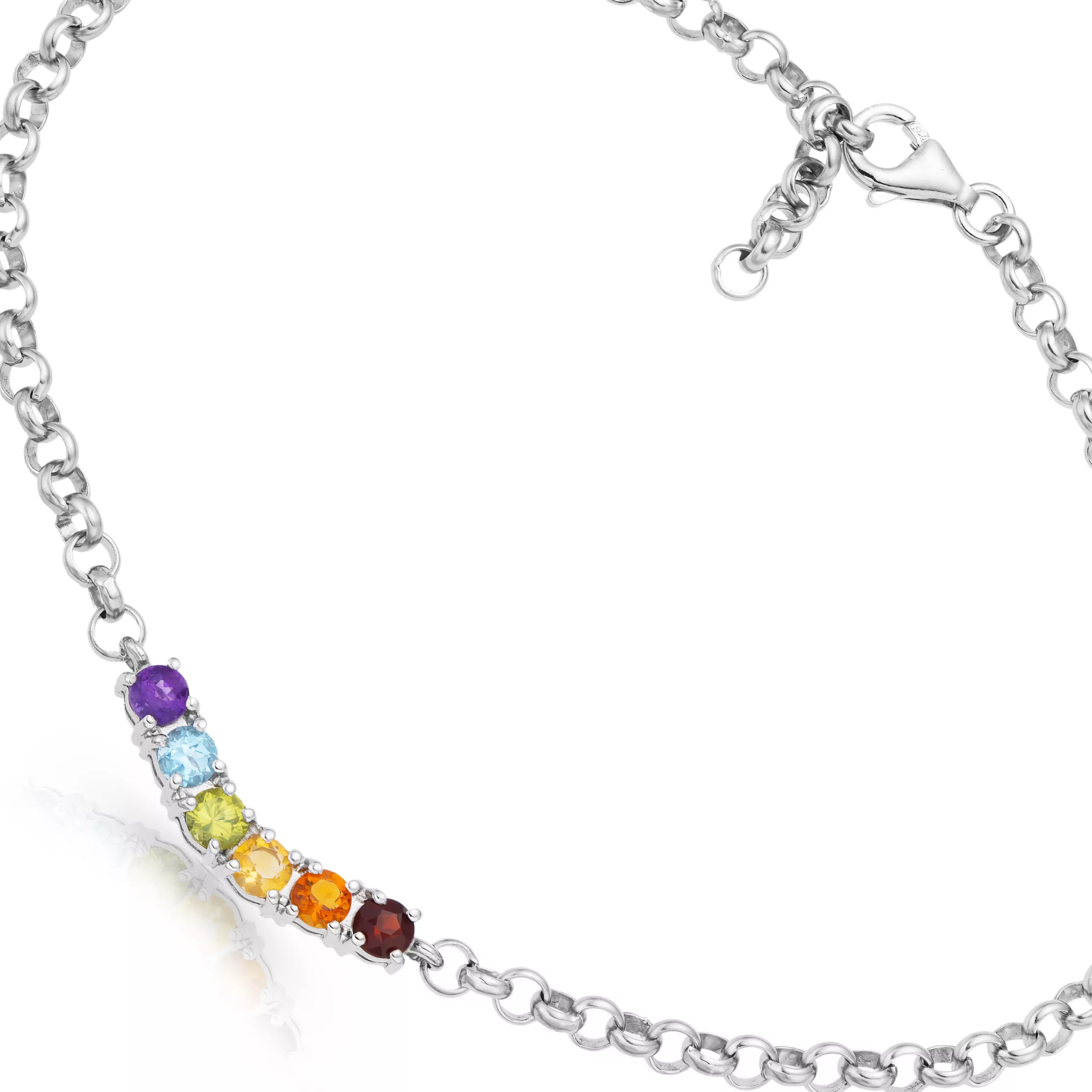
The PRIDE Flag
was created by Gilbert Baker in 1978 to provide visibility and support for the LGBTQ+ community, especially during a time when they faced widespread discrimination and prejudice. It serves as a powerful symbol of hope, solidarity, and the ongoing fight for equal rights and acceptance. Today, the flag is widely recognized as a symbol of the LGBTQ+ rights movement, promoting understanding and celebrating the diverse identities within the community. Each color comes with a different meaning:
Red: Symbolizing Life
Orange: Signifying Healing
Yellow: Representing Sunlight
Green: Embracing Nature
Blue: Evoking Harmony
Purple: Reflecting Spirit



Gender Identity vs Sexual Orientation
are two distinct aspects of a person’s identity, though they are often interconnected. Gender identity refers to how an individual personally experiences and expresses their own gender, whether it aligns with the gender they were assigned at birth or not. It encompasses a wide range of identities, such as male, female, non-binary, genderqueer, or agender. Gender identity is about how someone feels and understands themselves in relation to gender.
On the other hand, sexual orientation refers to who an individual is attracted to emotionally, romantically, or sexually. It describes the direction of a person’s attraction and can include orientations like heterosexual, homosexual, bisexual, pansexual, or asexual. While gender identity is about who you are, sexual orientation is about who you’re attracted to. These two elements of identity are independent, meaning someone’s gender identity doesn’t dictate their sexual orientation, and vice versa.
LESBIAN (Sexual Orientation)
A lesbian is a woman who is emotionally, romantically, or physically attracted to other women. This identity is about who someone connects with, not based on experiences but on feelings and relationships. Being a lesbian is about embracing one’s attraction to other women, and it’s an essential part of self-understanding.
Lesbian women, like everyone else, seek love, companionship, and connection. Their identity isn’t defined by a specific experience but by a natural attraction to women. While the word “lesbian” has evolved over time, it generally refers to same-sex attraction and romantic relationships between women.
Take the Am I Gay / Lesbian / Bisexual? quiz.


GAY (Sexual Orientation)
is a term used for people who are emotionally, romantically, or physically attracted to others of the same gender. It’s commonly associated with men who are attracted to other men, but it can also be used more broadly to refer to anyone, regardless of gender, who experiences same-sex attraction. While some women use the term “gay” to describe themselves, many prefer to identify as lesbian, which is more specific to women attracted to other women.
Being gay is about the emotional and romantic connections that someone feels, not necessarily dependent on past experiences. It’s about who someone is attracted to and how they identify their sexual orientation.
Take the Am I Gay / Lesbian / Bisexual? quiz.


BISEXUAL (Sexual Orientation)
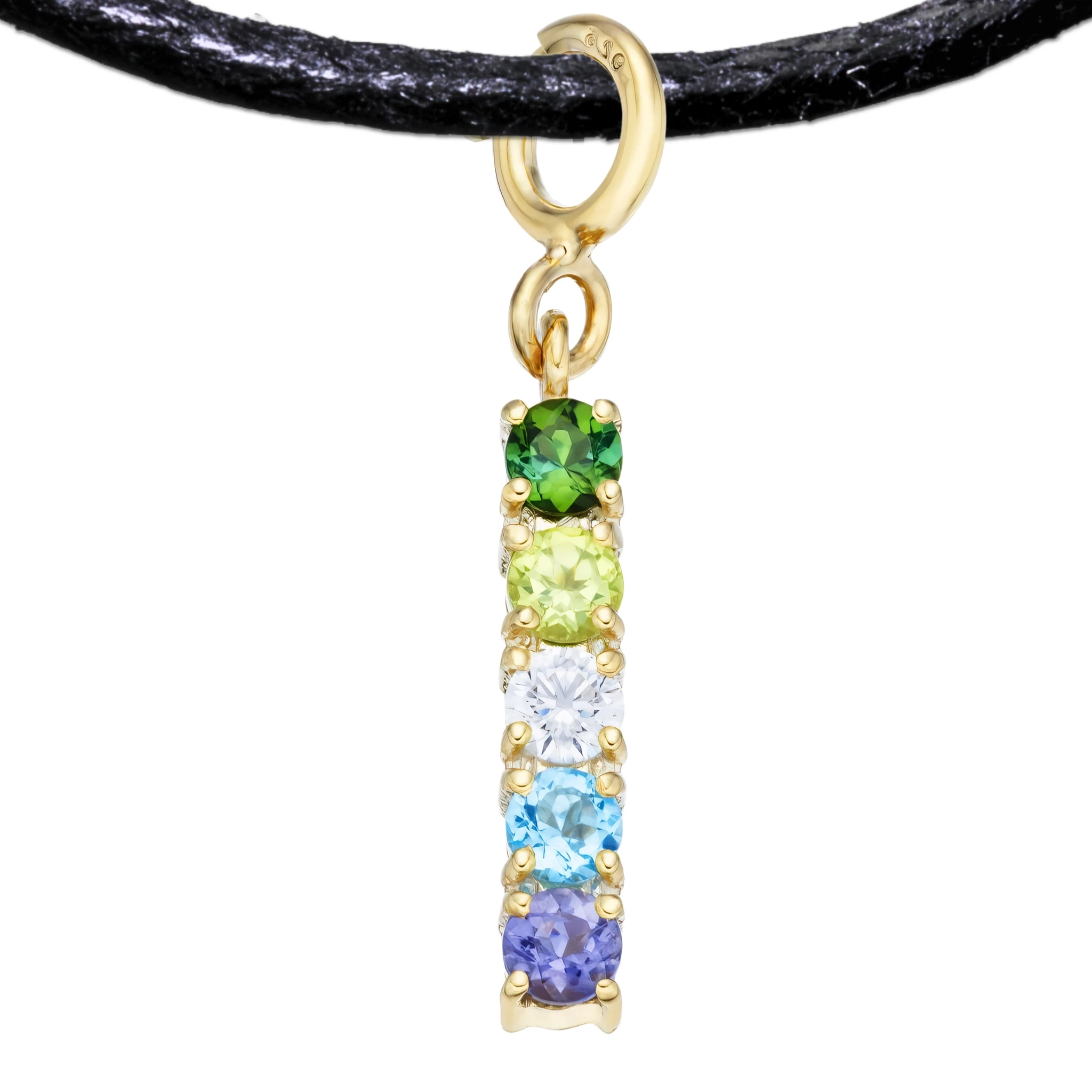
is a term used to describe someone who can experience emotional, romantic, or sexual attraction to people of more than one gender. This means that a bisexual person might be attracted to people of the same gender, as well as those of different genders or gender identities. The term doesn’t imply that someone has equal experiences or equal attraction to all genders; rather, it is about the possibility of attraction to more than one gender over time or in different circumstances.
Being bisexual is about identity and feeling. It’s not about the number of partners or the equal balance of attraction between genders. Someone who identifies as bisexual may have relationships with people of different genders at different points in their life, or they might be more drawn to one gender at a certain time.
Read more about Breaking Down the Myths About Bisexuality
Take the Am I Gay / Lesbian / Bisexual? quiz.


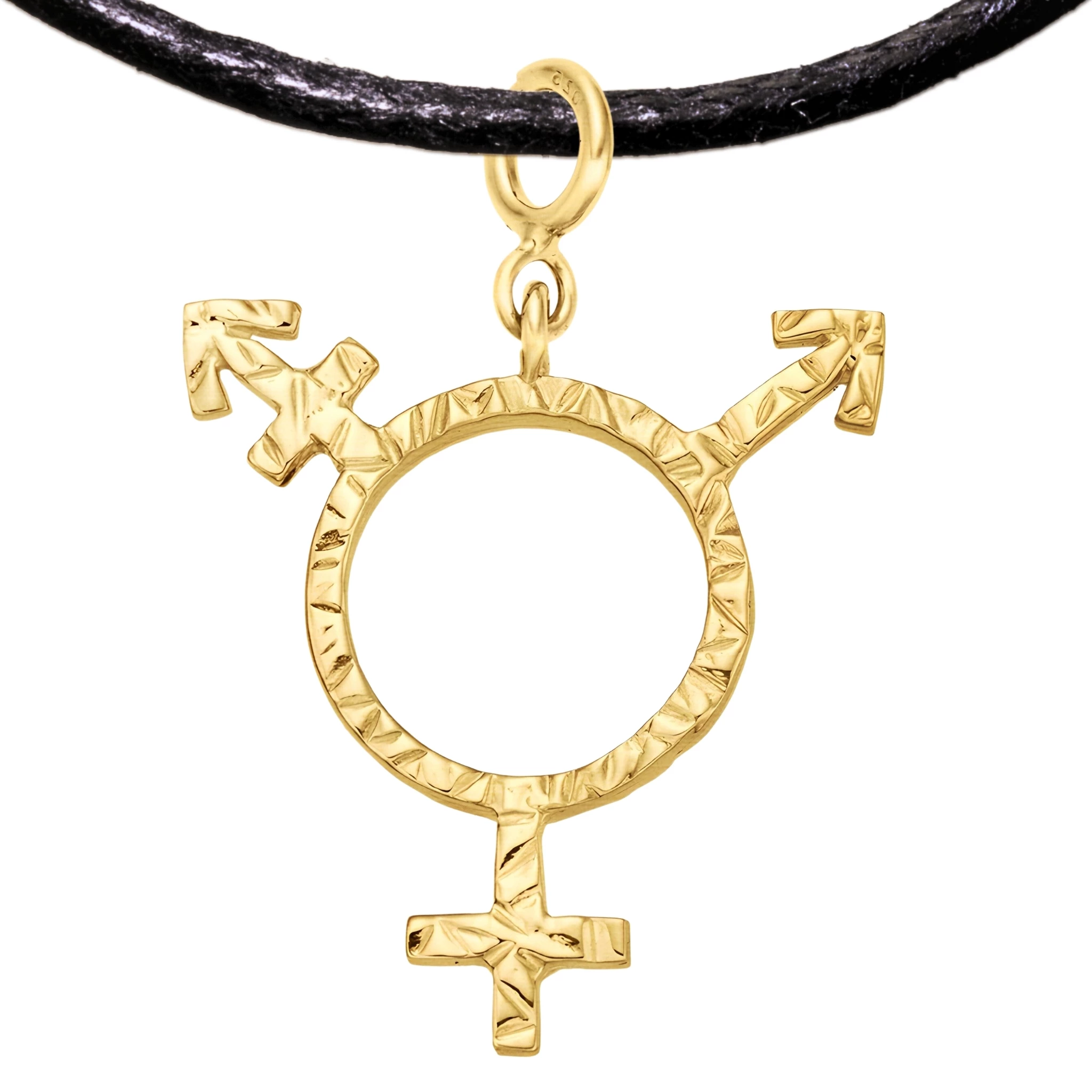
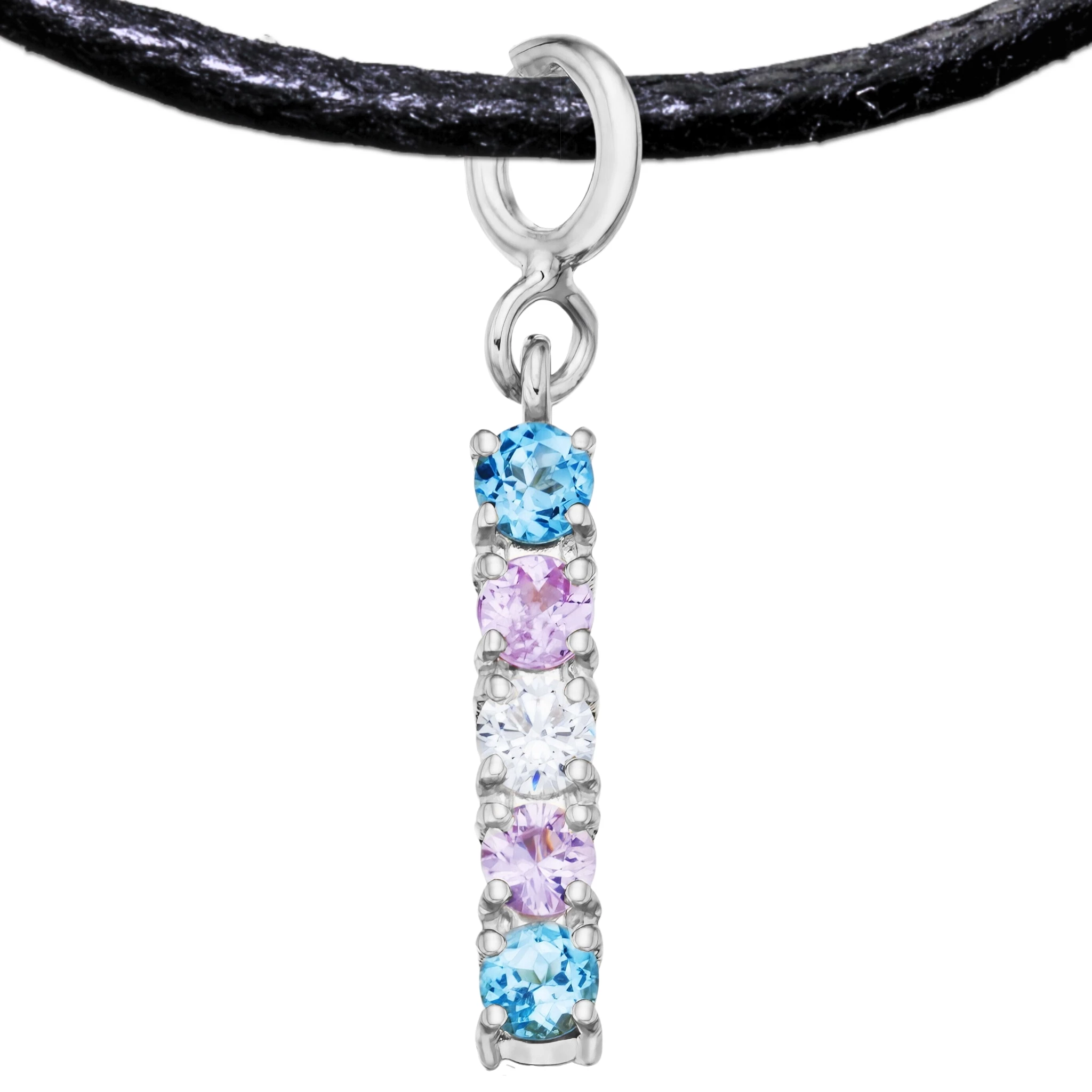
TRANSGENDER (Gender Identity)
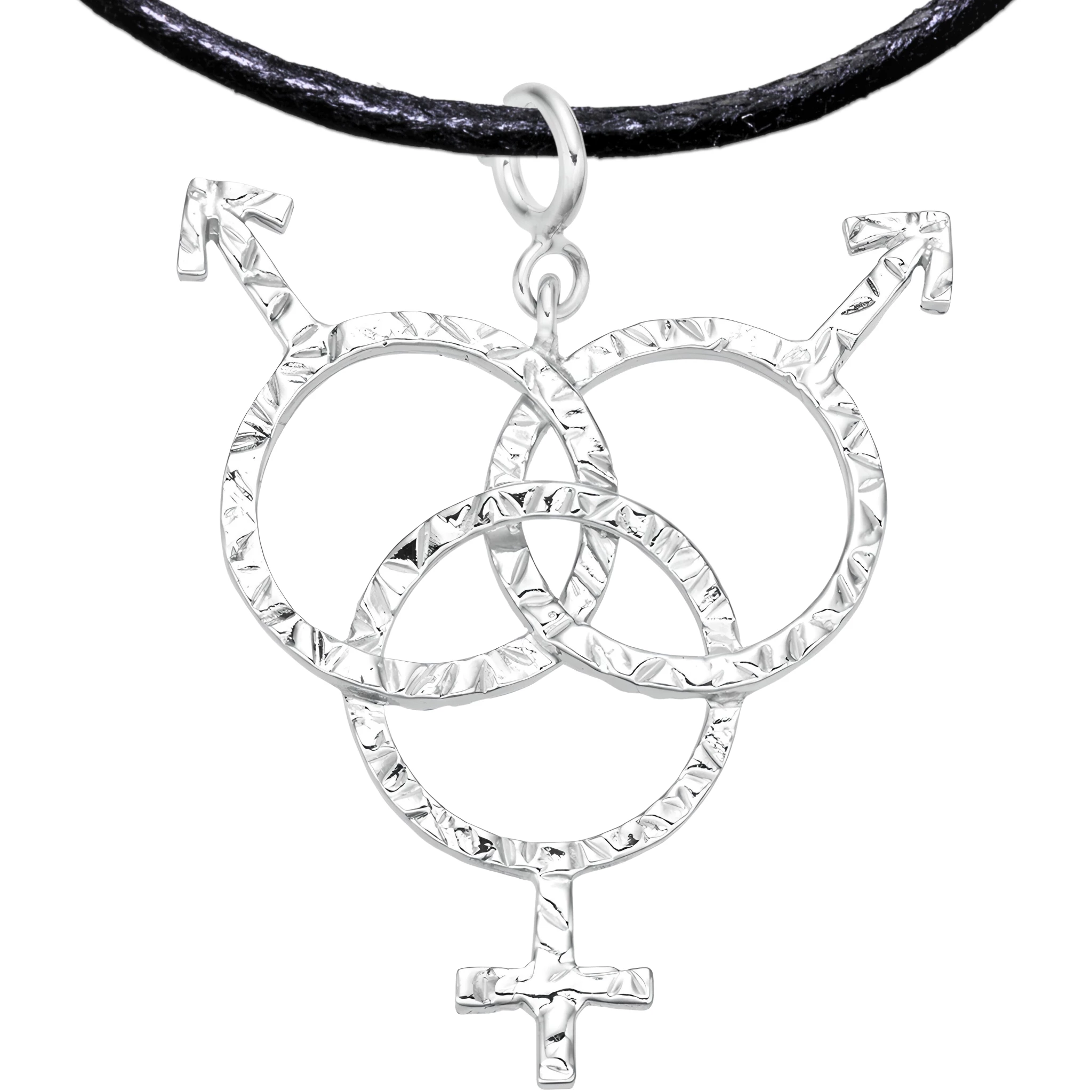
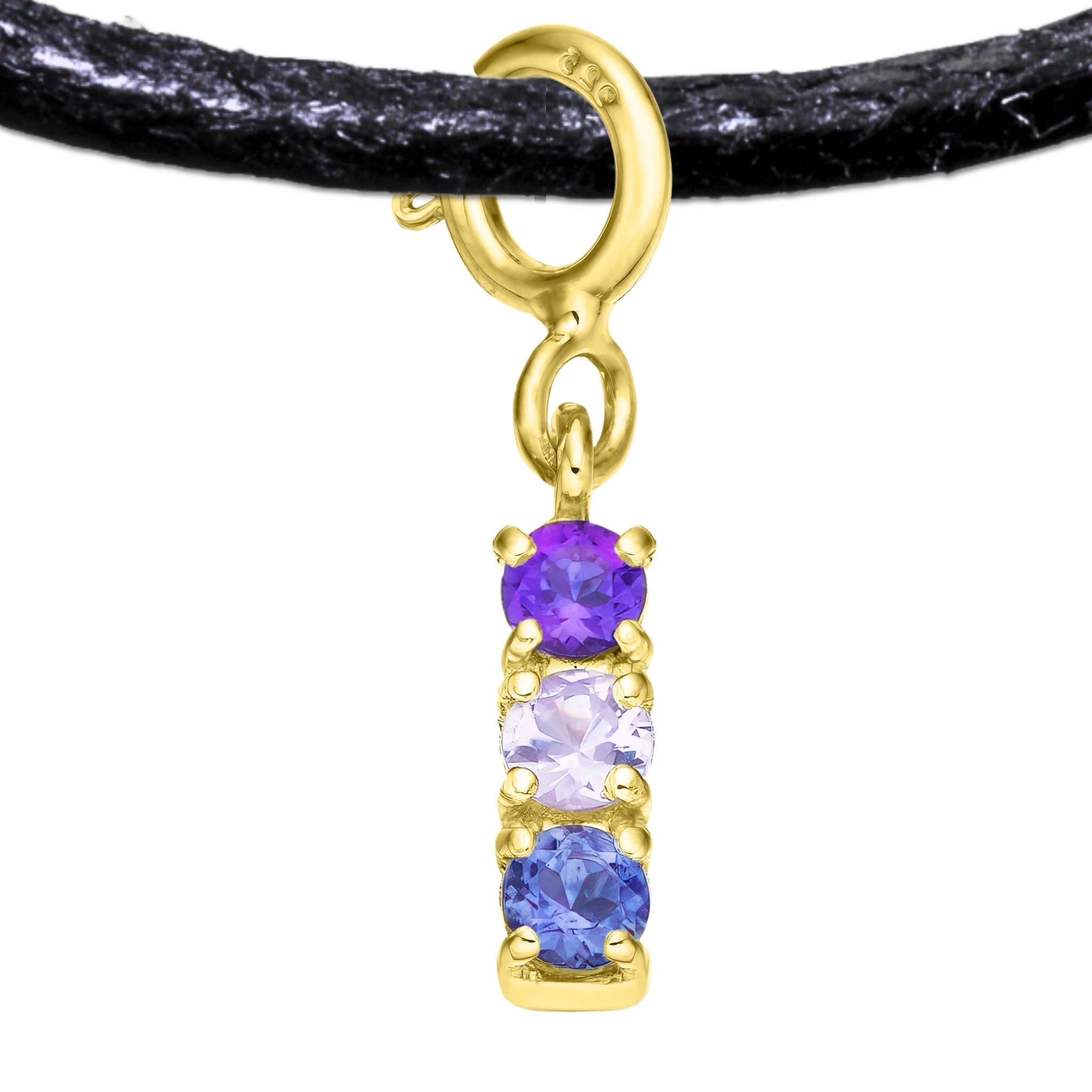
(often abbreviated as trans) is a term used to describe people whose gender identity differs from the one they were assigned at birth. It’s important to understand that gender identity is about how someone feels internally and how they see themselves, while assigned sex at birth typically refers to the designation of male or female based on physical characteristics like chromosomes or reproductive organs. A transgender person’s gender identity may not align with the expectations or assumptions about their gender based on those physical traits.
Transgende people can identify as any gender, and some may identify as male, female, both, neither, or as a blend of genders. This can include people who identify as female-to-male (FTM) or male-to-female (MTF), but it also encompasses many other gender identities such as genderqueer, genderfluid, agender, and bigender. Transgender people can have a wide variety of experiences with their gender, and these identities are often seen as part of a larger spectrum of gender.
AGENDER (Gender Identity)
describes someone who does not identify with any gender. It means that they do not feel a personal connection to being male, female, or any of the traditional gender categories that society typically uses to classify individuals. Instead, agender people experience a lack of gender or feel gender-neutral, which is different from simply rejecting a particular gender. For agender individuals, the concept of gender may not feel relevant or meaningful to their personal identity.
Take the Am I Cisgender, Demiboy / Demigirl, Non-Binary, Gender Fluid or Agender? quiz.
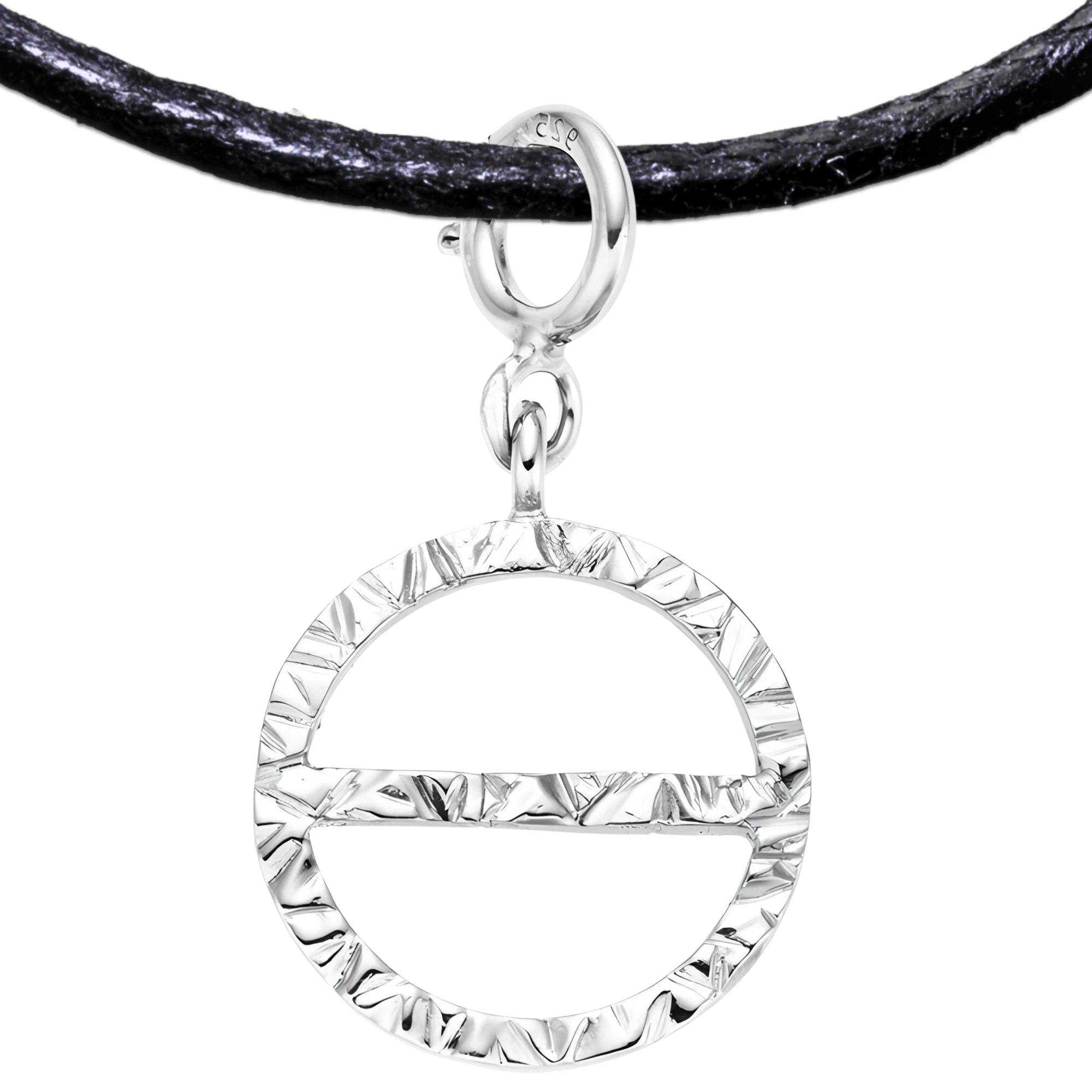

ASEXUAL (Sexual Orientation)
refers to someone who does not experience sexual attraction to others. This means that an asexual person may not feel the desire or urge to engage in sexual activity with other people, regardless of the other person’s gender or identity. It is important to note that asexuality is a natural sexual orientation, just as being heterosexual, homosexual, or bisexual is. Asexuality is not about choosing to abstain from sex; rather, it is about the absence of sexual attraction.

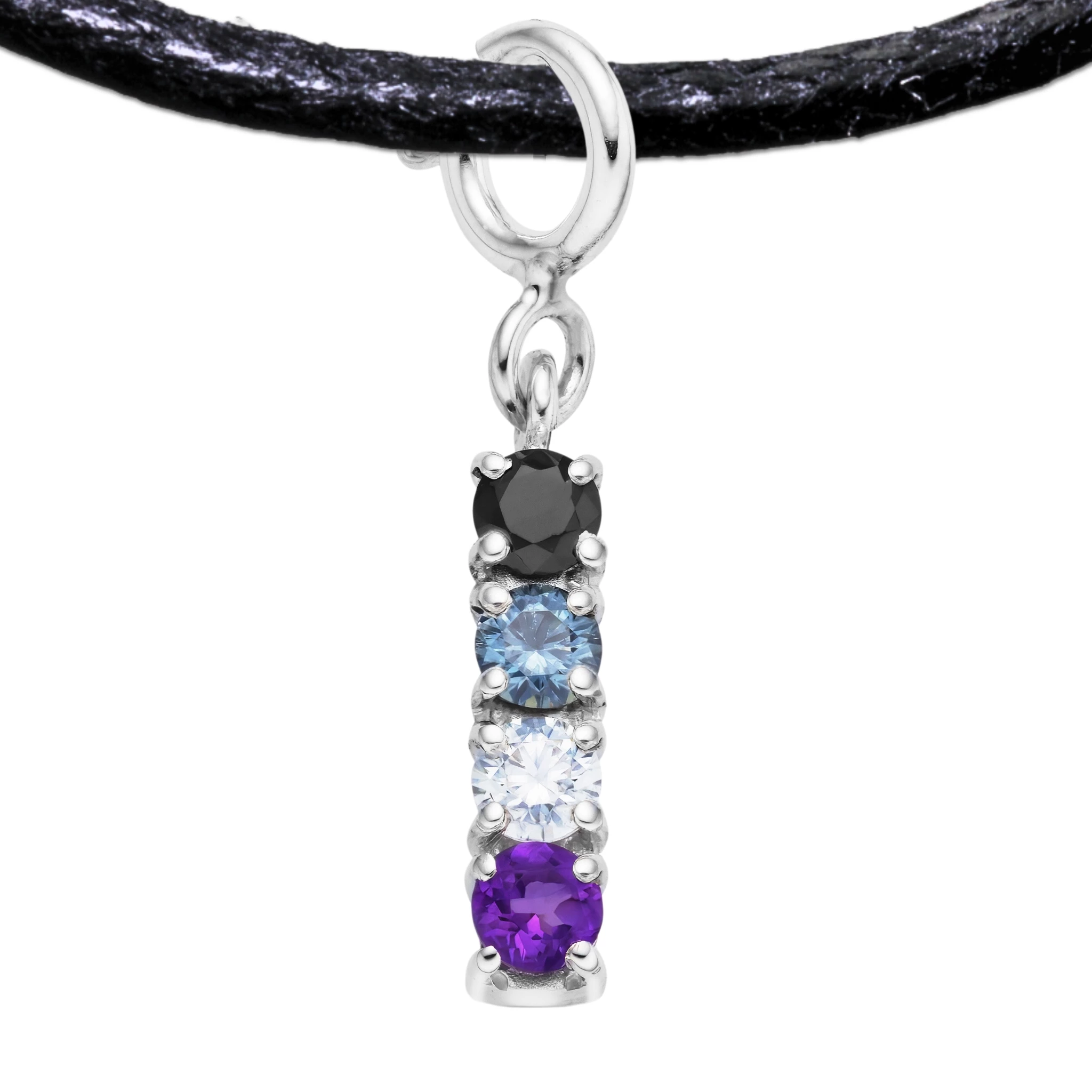
GENDERQUEER (Gender Identity)
is a term used by individuals who reject the traditional, binary understanding of gender—male and female—and instead embrace a more fluid and non-conforming approach to gender identity. People who identify as genderqueer often challenge societal norms and expectations that prescribe fixed roles based on biological sex and explore gender as a spectrum rather than a set of rigid categories. This identity allows for a more personalized and authentic expression of self, where individuals can define their gender in ways that resonate with their unique experiences.

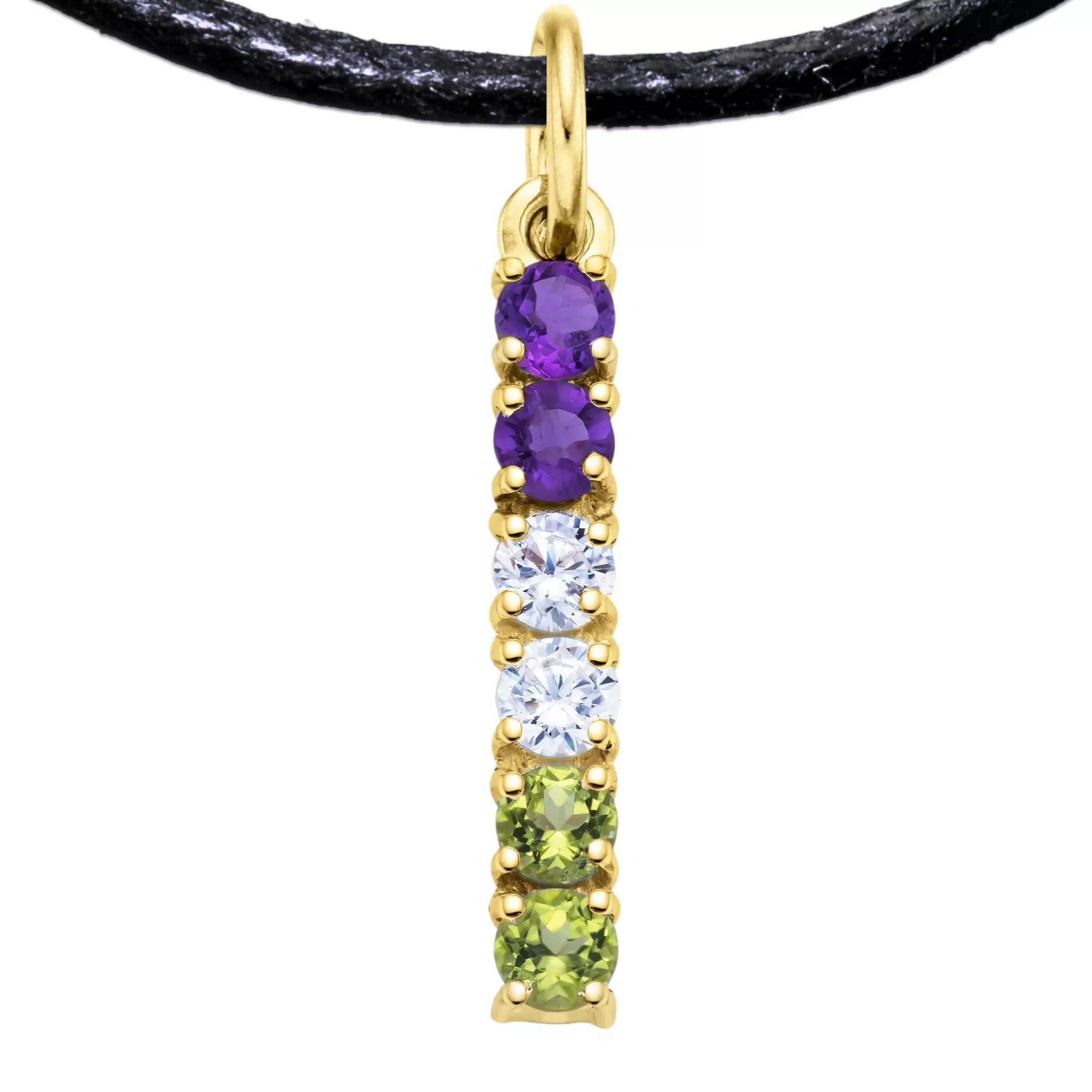
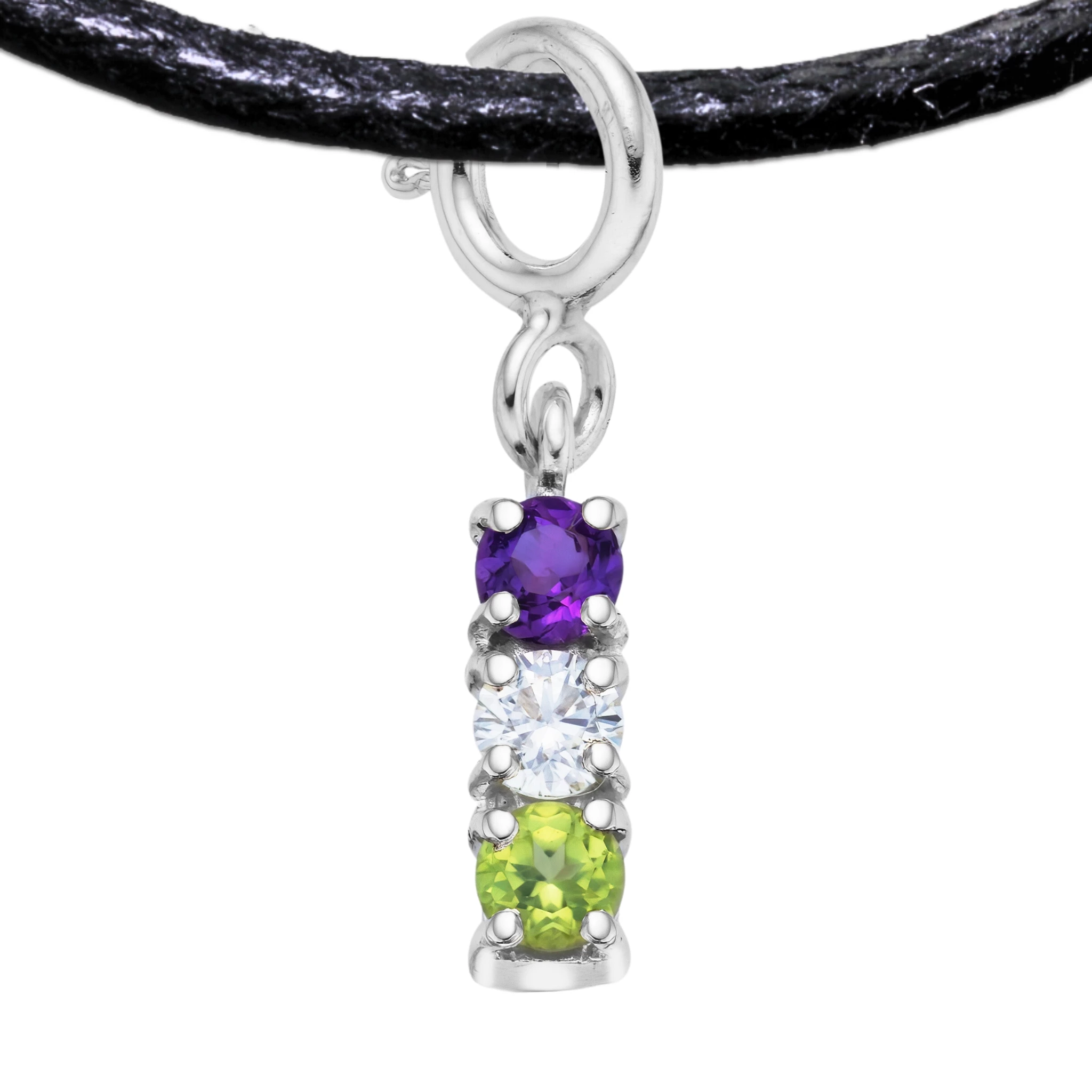
NON-BINARY / NEUTROIS (Gender Identity)
Non-Binary is an umbrella term used to describe individuals whose gender identity does not conform to the traditional binary system of male and female. Non-binary people may identify as a mix of both genders, neither gender, or as a fluid or fluctuating gender that is not fixed. Their experiences of gender can vary widely, as non-binary individuals might experience gender in a way that is unique to them and not easily categorized. Some may feel a deep connection to both masculinity and femininity, while others may reject these concepts altogether, choosing to define their gender identity in terms that resonate with them personally.
Neutrois is a gender identity that falls under the broader umbrella of non-binary. It refers to a person who identifies as having a gender that is neutral, or as being without gender altogether. Neutrois individuals may feel disconnected from traditional gender categories and prefer a gender expression that is neutral or androgynous. Some people who identify as neutrois may also describe their experience as being agender or feeling a lack of gender entirely. The key difference between neutrois and non-binary is that while non-binary is a broad term used to describe any gender identity that doesn’t fit within the traditional male-female binary, neutrois specifically refers to an identity where a person feels neutral or absent of gender.
Take the Am I Cisgender, Demiboy / Demigirl, Non-Binary, Gender Fluid or Agender? quiz.

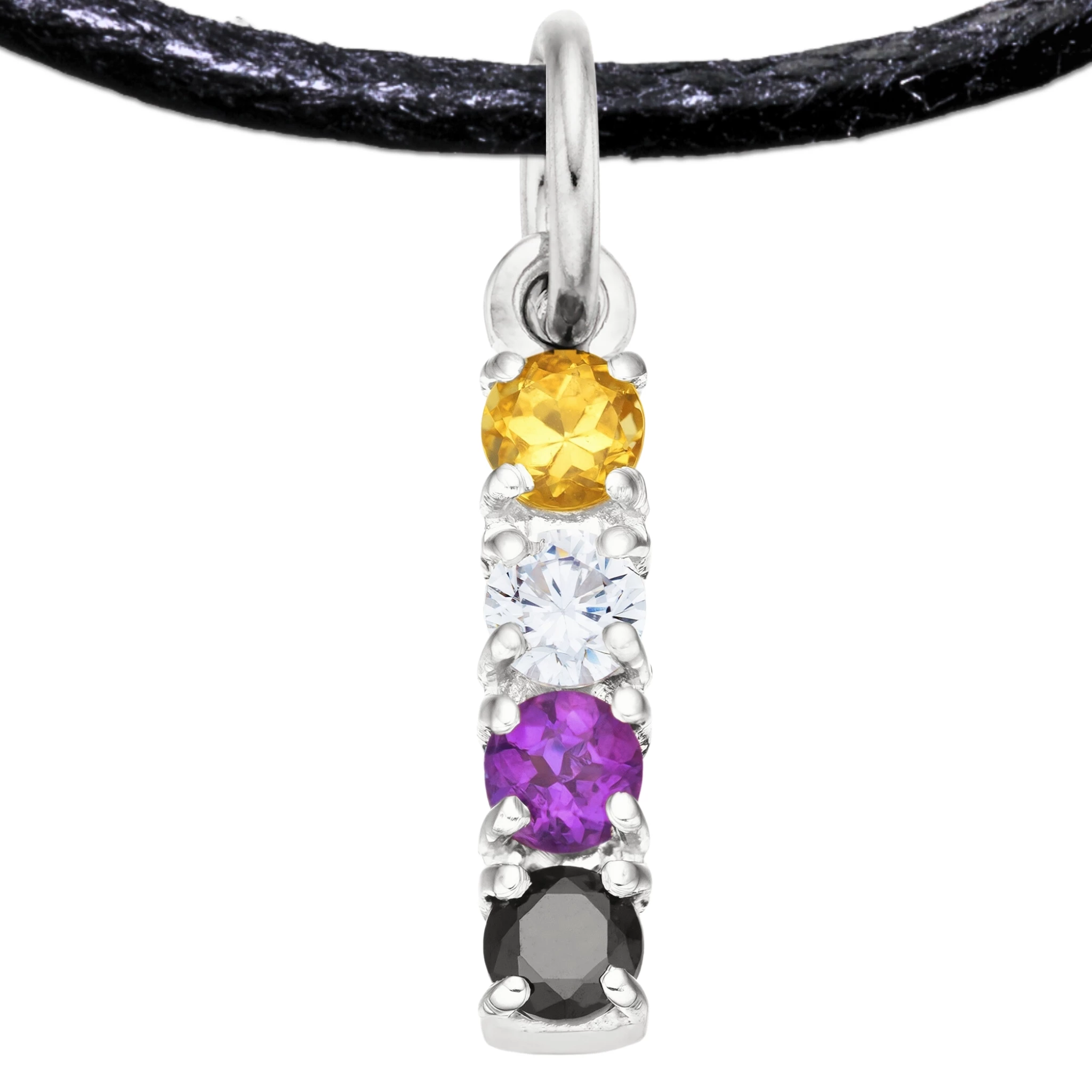

POLYAMORY (Relationship Orientation)
individuals are attracted to multiple partners simultaneously, and they can identify with a variety of sexual orientations, such as bisexual, straight, gay, pansexual, or any other sexual identity. Polyamory is not tied to one specific sexual orientation, as it’s a relationship structure that can be experienced by people of all orientations. These relationships can be deeply fulfilling and joyful for those involved, as they allow for emotional and romantic connections with multiple people, often fostering a sense of community, support, and love. The nature of polyamory emphasizes open communication, consent, and respect for everyone’s boundaries. However, it’s essential to recognize that polyamory, like any relationship style, is not for everyone. What works for one person or group of people may not work for another, which is why it’s crucial to approach diverse relationship choices with understanding, empathy, and an open mind. Respecting individual preferences and relationship structures is key to fostering healthy, happy, and consensual connections.
Take the Am I Polyamorous, Monogamous, or Ambiamorous? quiz.
Read more about Polyamory: The Good, The Hard, and Everything In Between
Read more about Poly Unicorns: The Myth, the Magic, and the Problem with Everyone Searching for Them
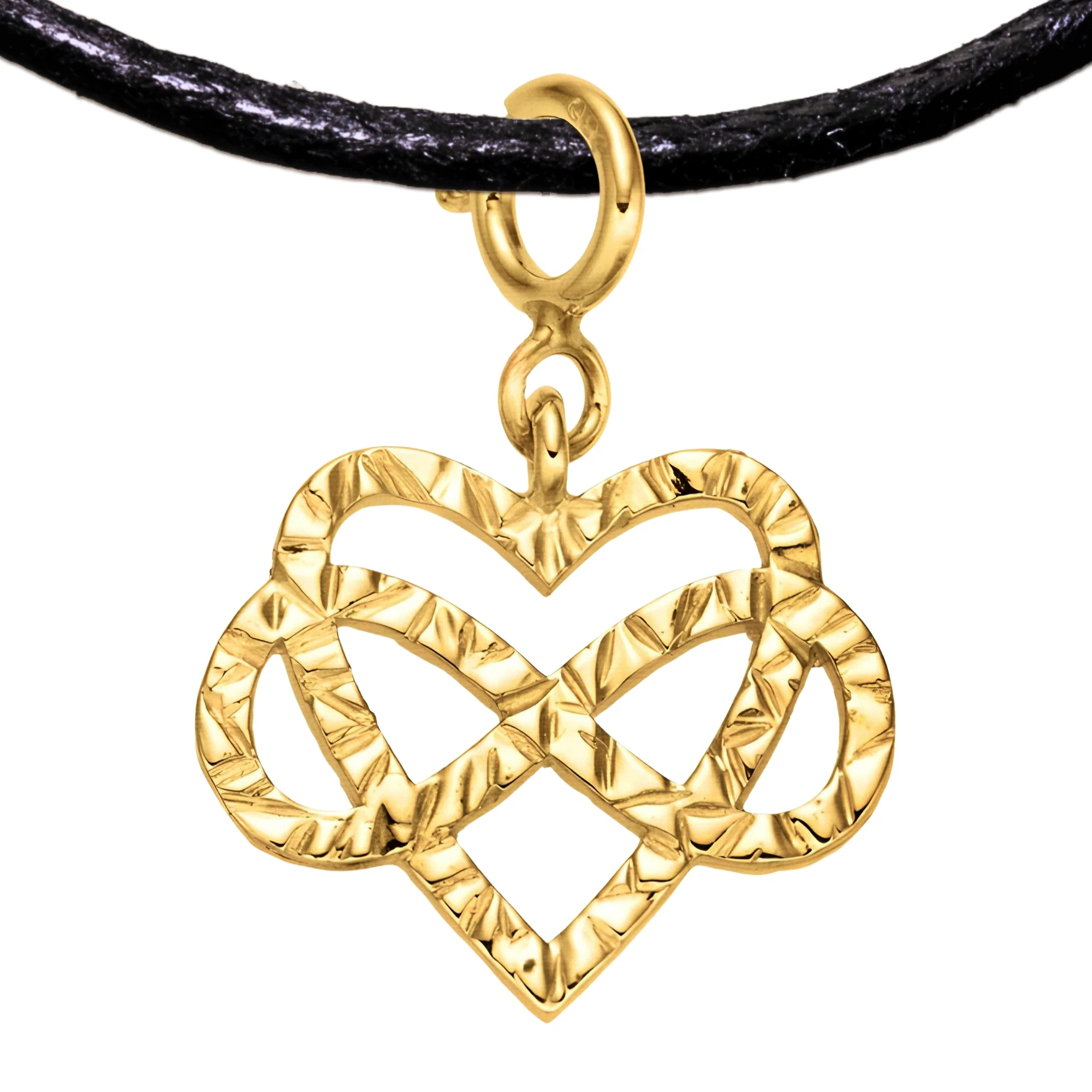

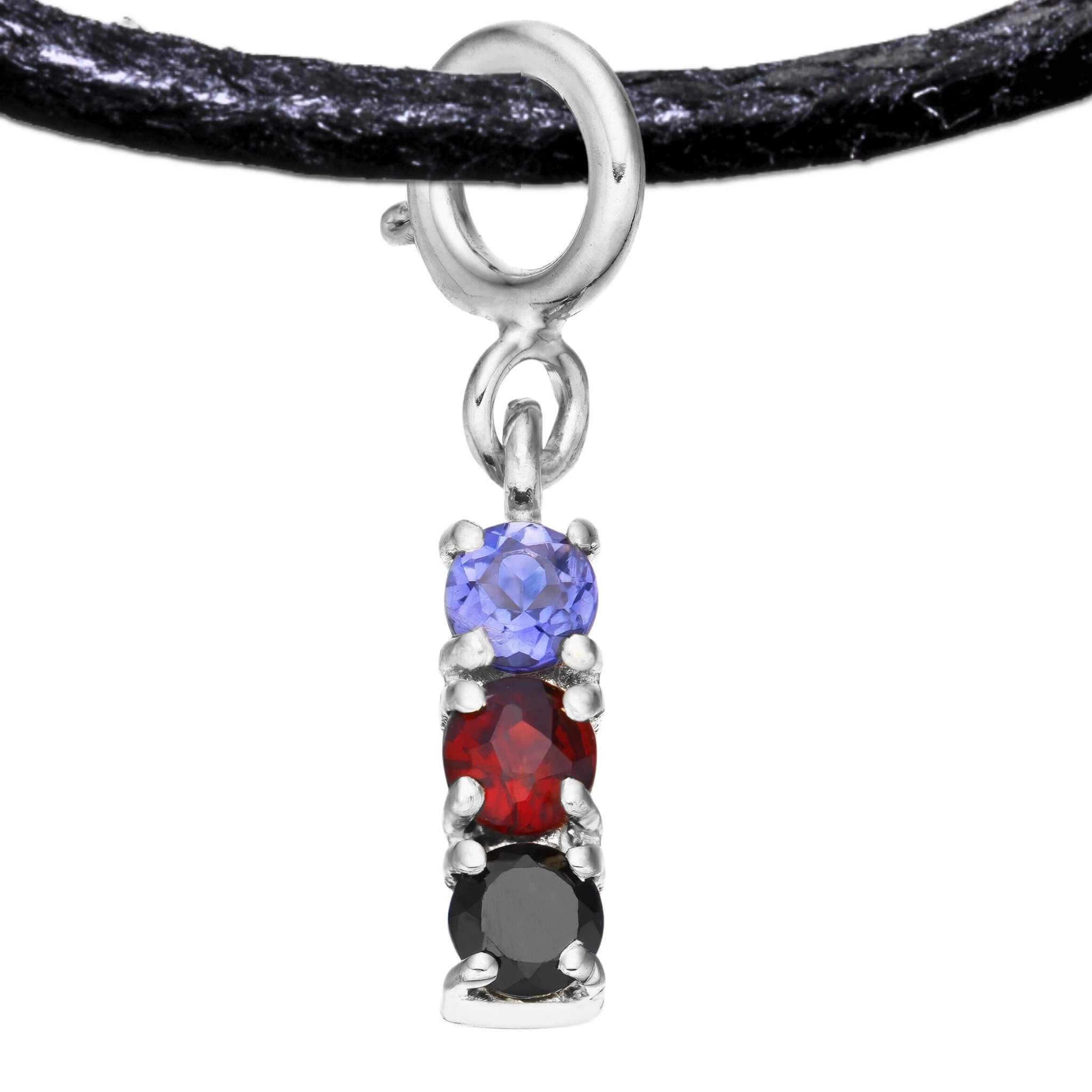
PANGENDER (Gender Identity) / PANSEXUAL (Sexual Orientation)
Pangender refers to a gender identity in which a person experiences or identifies with all genders. People who are pangender may feel that their gender encompasses elements of every gender, or they may experience multiple genders at once. For some, being pangender means their gender expression is fluid and not confined to traditional categories such as male or female. This identity challenges the binary understanding of gender and embraces a more inclusive, expansive view of gender as something that transcends the limitations of “man” and “woman.” It is important to note that the experience of being pangender is personal, and each individual may have a unique way of understanding and expressing their gender.
Pansexual, on the other hand, refers to a sexual orientation in which a person is attracted to individuals regardless of their gender. A pansexual person might experience romantic or sexual attraction to people who are male, female, non-binary, genderfluid, or any other gender identity. The key aspect of pansexuality is that gender does not factor into the attraction—what matters is the person themselves, their personality, and emotional connection.
While both terms share the prefix “pan-” meaning “all,” they refer to different aspects of identity: pangender relates to gender identity, while pansexual describes sexual attraction. Both terms challenge traditional understandings of gender and sexuality, offering a more inclusive and fluid perspective.

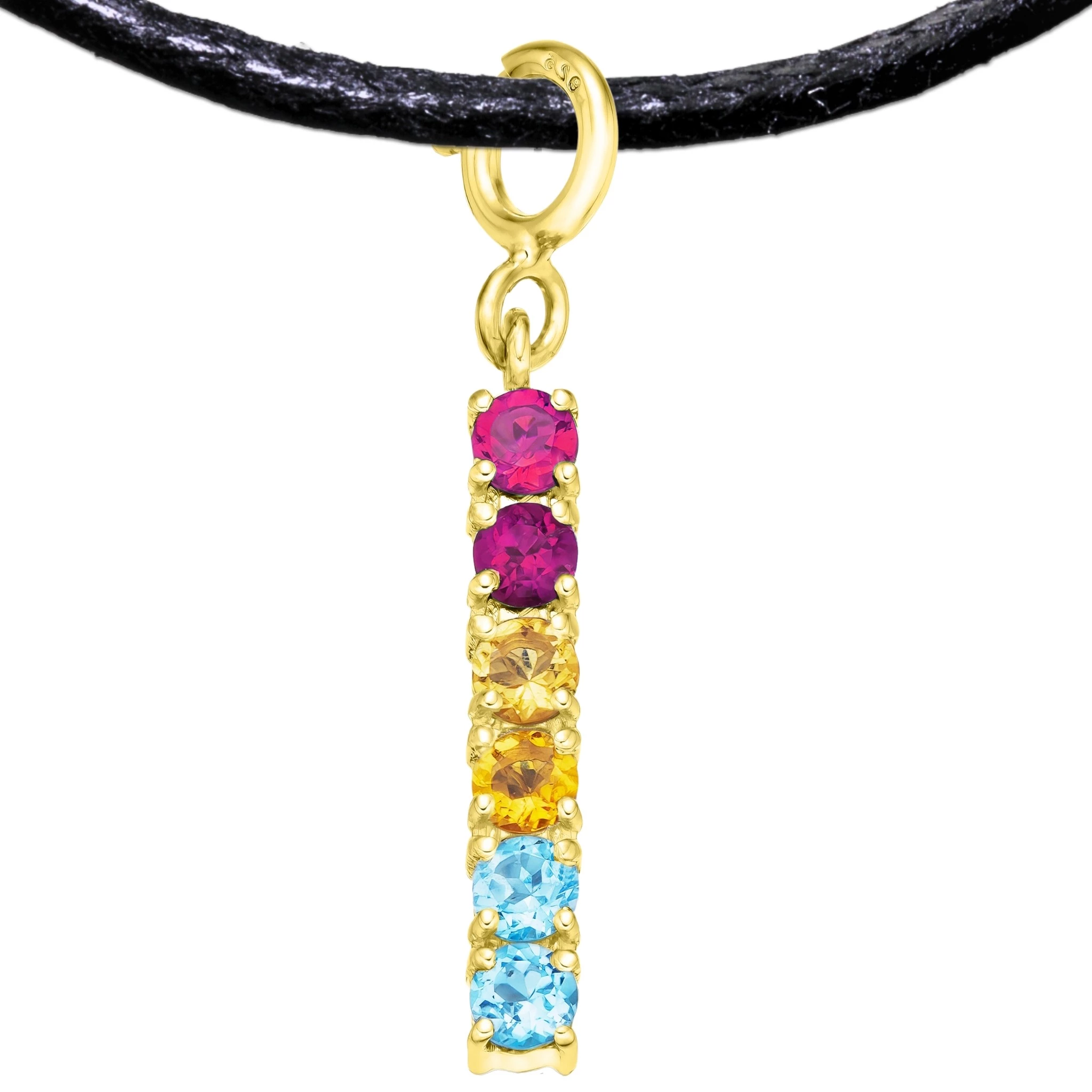
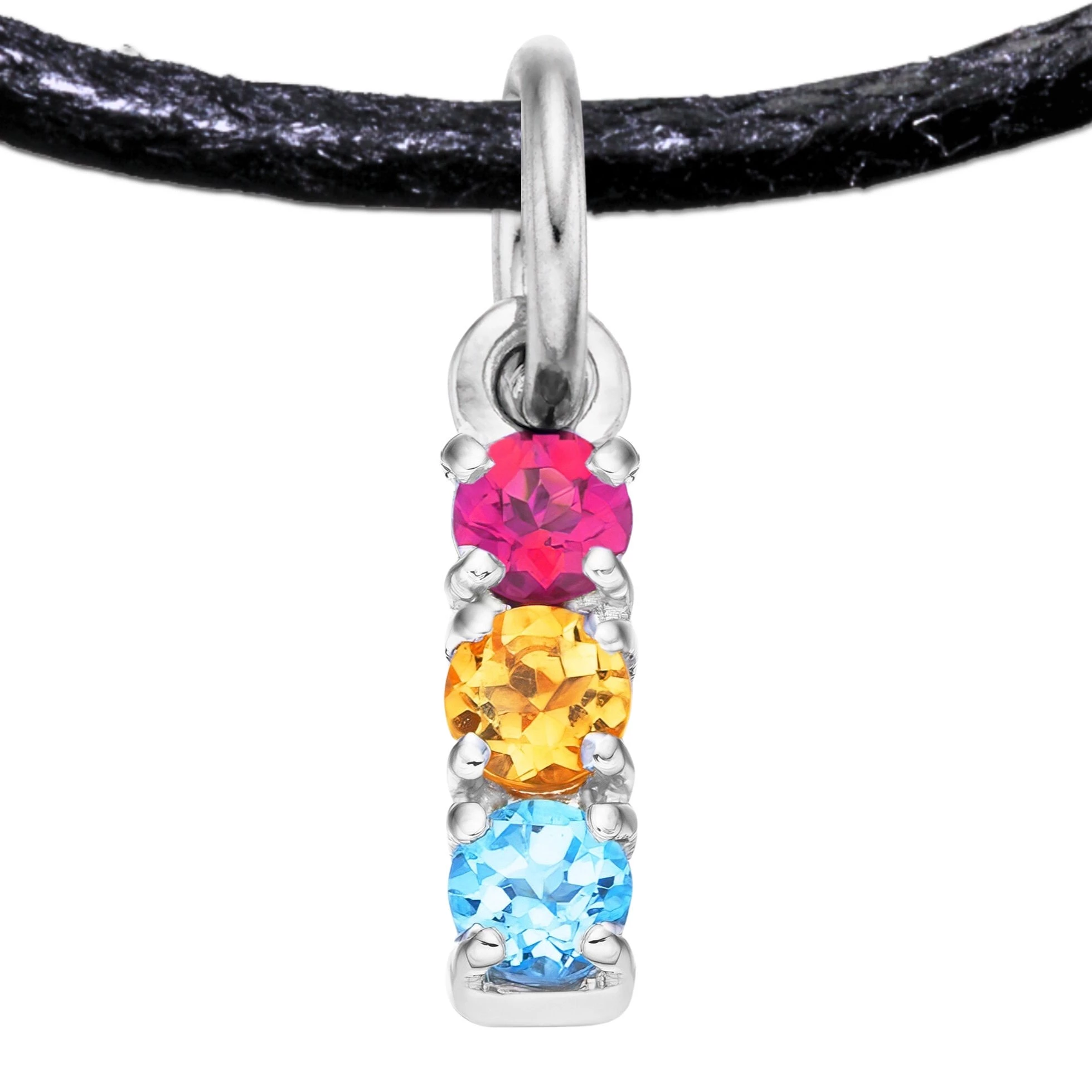
AROMANTIC (Sexual Orientation)
refers to individuals who do not experience romantic attraction toward others. This means that aromantic people may not feel the desire for romantic relationships, such as the longing for a romantic partner or the emotional excitement typically associated with romance. Aromantic individuals might not have the same desire to engage in romantic gestures or expressions of affection that many others do, such as dating, holding hands, or sharing romantic experiences. However, being aromantic does not mean someone is incapable of forming meaningful relationships. Aromantic people can still experience deep, fulfilling connections with others, but those connections are often platonic or rooted in other forms of love, like familial or friendly love.ding and expressing their gender.
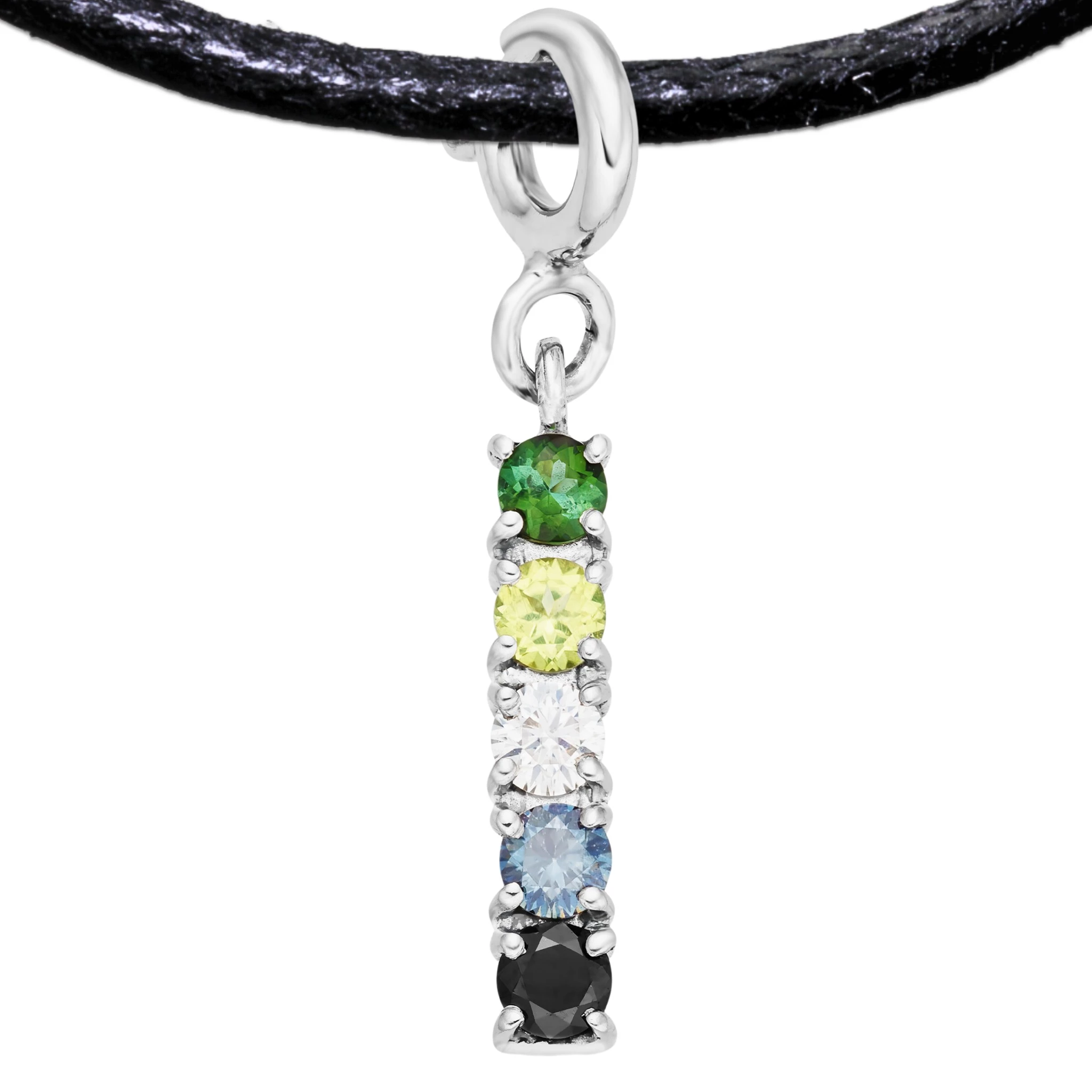
DEMIGIRL / DEMIBOY (Gender Identity)
A Demigirl is someone who identifies partially, but not entirely, with the female gender. While a Demigirl may feel a connection to femininity, they don’t fully align with the conventional experience of being a woman. This identity exists on the spectrum between female and non-binary, where the person may express a mix of masculine and feminine traits or present in a way that feels uniquely their own. A Demigirl might experience their gender as fluid, and they could identify with femininity more strongly at times, or feel more neutral or connected to another gender at others. It’s a flexible gender identity that allows for a personalized understanding of self, and it highlights that gender is not always a fixed, all-encompassing experience.
A Demiboy, on the other hand, identifies partially with masculinity but not fully with being male. Similar to Demigirls, Demiboys exist on the gender spectrum, where they may feel a partial connection to male identity or experience masculinity in ways that don’t adhere strictly to traditional male norms. A Demiboy may present with both masculine and gender-neutral traits, or they might lean into one aspect more than the other depending on how they feel at any given time. Like Demigirls, Demiboys don’t conform entirely to the binary gender system and often embrace fluidity in how they express their gender. This identity allows for a sense of flexibility and nuance in understanding gender beyond the rigid categories of male and female.
Take the Am I Cisgender, Demiboy / Demigirl, Non-Binary, Gender Fluid or Agender? quiz.

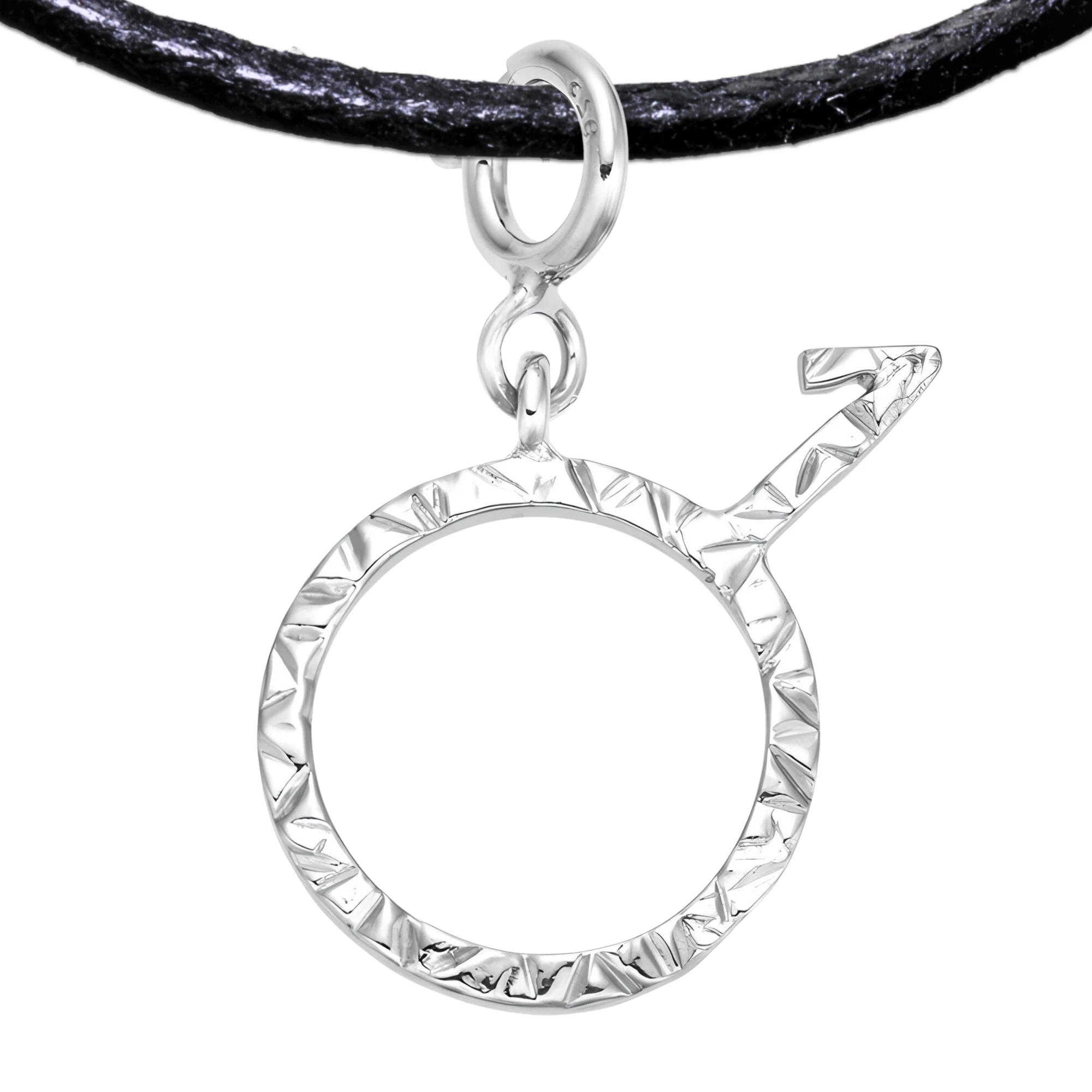
FEMALE / MALE (Gender Identity)
Female in the context of the LGBTQ+ community generally refers to someone who identifies with the gender typically associated with femininity, although this can encompass a wide range of gender expressions and experiences. A female might be someone who is assigned female at birth (AFAB) and identifies with the traditional female gender roles, or it might refer to a transgender woman (someone assigned male at birth but who identifies and lives as female). In the LGBTQ+ community, the term female is understood as an identity that is deeply personal and can vary in its expression. It may also reflect a rejection of certain societal gender expectations, as many LGBTQ+ women, including lesbians, bisexual women, and queer women, may express their femininity in non-traditional ways or defy stereotypical female roles.
Male, within the LGBTQ+ context, refers to someone who identifies with masculinity or the male gender. This could be a person who is assigned male at birth (AMAB) and identifies with the traditional male gender roles, or a transgender man (someone assigned female at birth but who identifies and lives as male). Much like female, the term male in the LGBTQ+ community is flexible, encompassing various expressions of masculinity that may not conform to traditional societal expectations. A male person might embrace gender nonconformity and still identify as male, or they might present as more fluid or androgynous. In the LGBTQ+ community, being male is not just about biological sex but about a sense of self-identified masculinity, which can be diverse and unique to each individual.
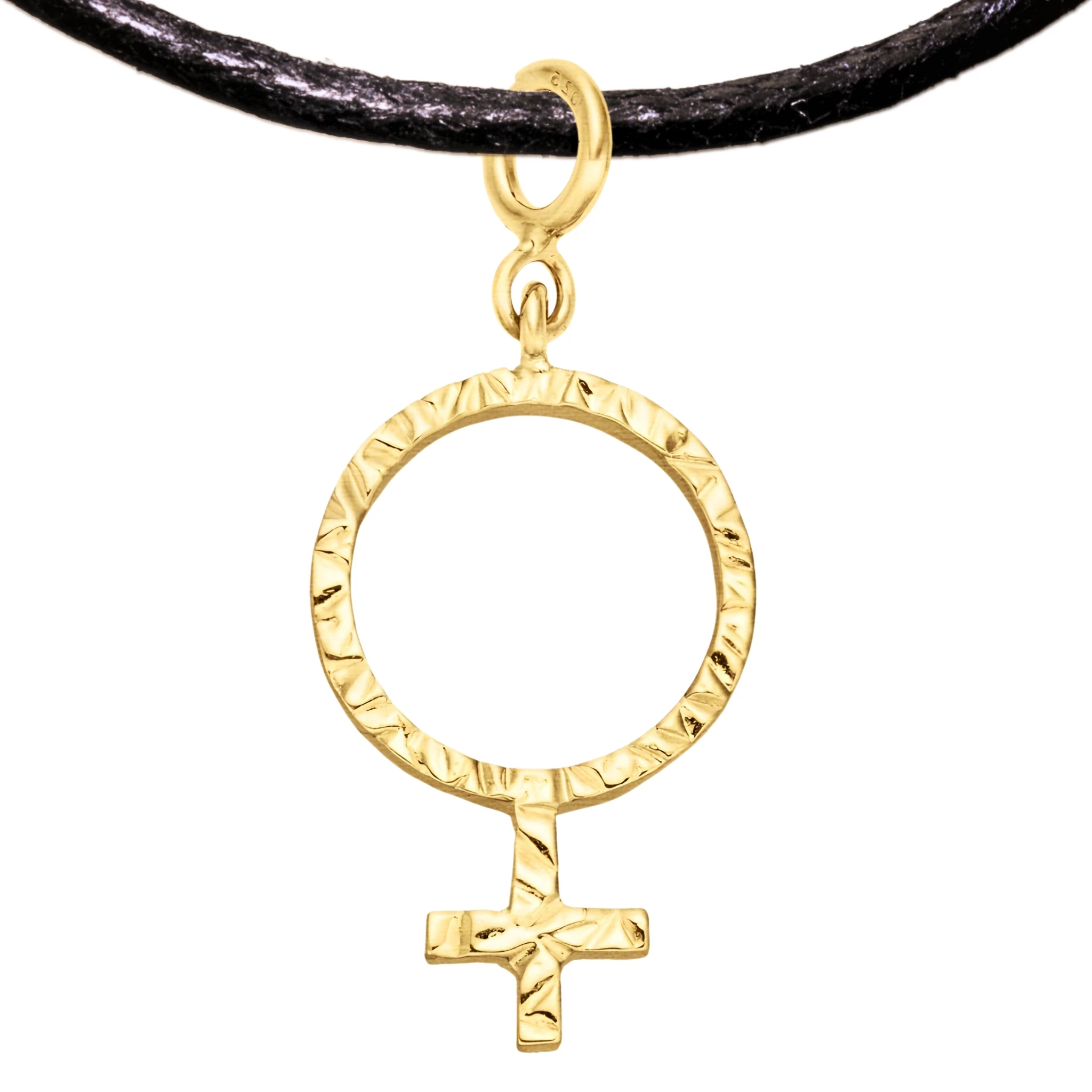

BIGENDER / INTERGENDER (Gender Identity)
Bigender refers to a person who experiences two distinct genders, either simultaneously or at different times. A bigender person might feel connected to both masculine and feminine traits, or with any two genders, which can be a mix of male, female, non-binary, or other combinations. These two genders may shift depending on the person’s feelings or circumstances, or both might coexist at the same time. The experience of being bigender is unique to each person, offering flexibility in how one might express or understand their gender, whether it changes frequently or is experienced in a more stable manner.
Intergender refers to an experience of gender that exists between or outside the traditional male and female binary. A person who identifies as intergender may feel their gender as a blend of masculine and feminine traits or as something entirely separate from the binary system. This experience can be fluid, where gender fluctuates over time, or it can be a stable experience that resides in a space not strictly male or female. Intergender emphasizes the idea of gender existing beyond the rigid binary categories and highlights the diverse ways people may experience and express gender beyond conventional norms.
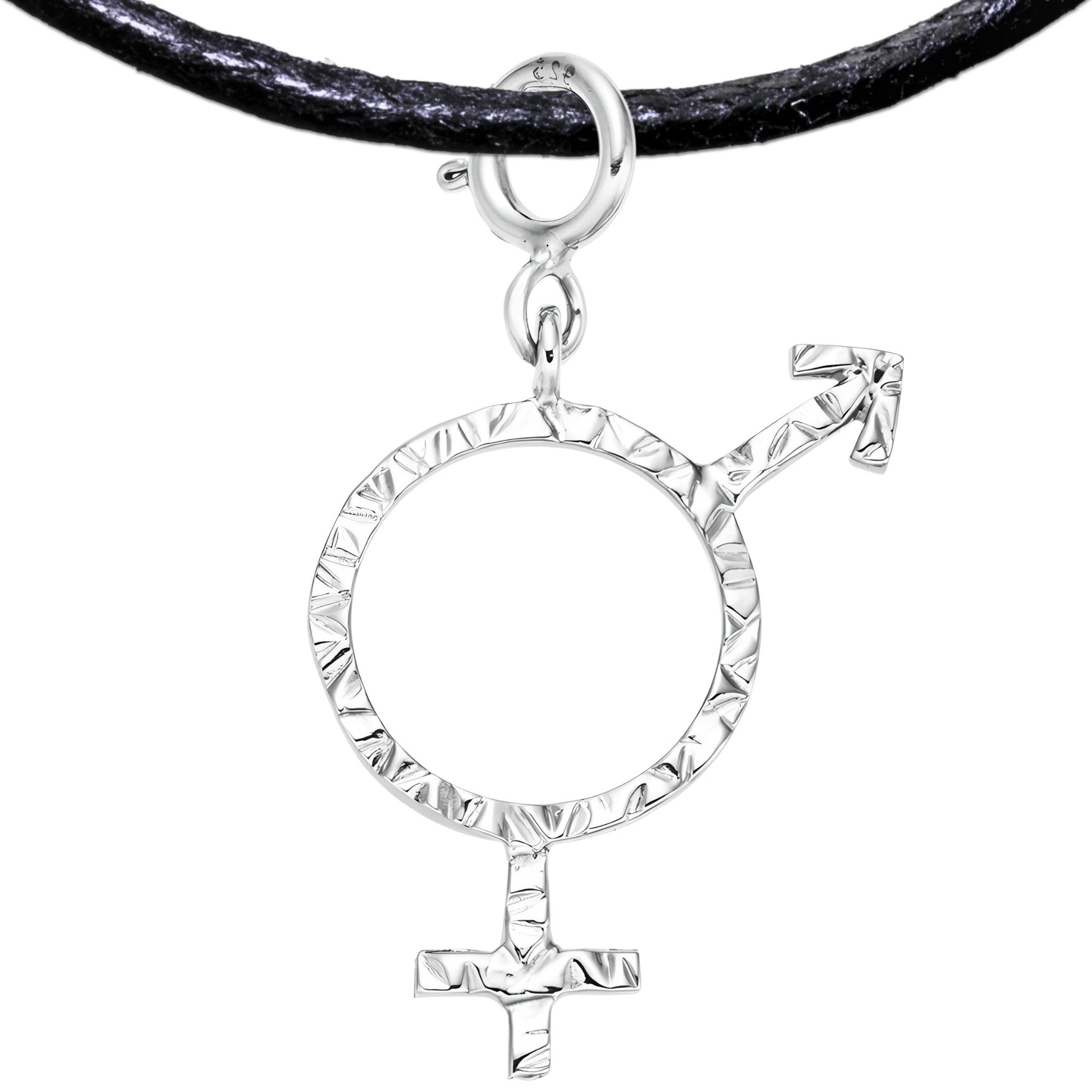

ANDROGYNE / TRAVESTI (Gender Identity)
Androgyne refers to someone who embodies a blend of both masculine and feminine traits or expresses a gender that is a mix of the two. People who identify as androgynous often present themselves in ways that are not easily categorized as strictly male or female. Androgyny can manifest in physical appearance, behavior, or self-expression, often blending characteristics typically associated with both genders. The key aspect of being androgyne is the experience of gender as a combination of both male and female elements, rather than aligning with one gender exclusively. An androgynous person might feel that their gender is balanced between the two, or they may experience a more fluid or ambiguous gender presentation.
Travesti, on the other hand, is a term that is often used in Latin American cultures to describe someone who was assigned male at birth but adopts feminine gender expression, often through clothing, makeup, and other forms of gender presentation. While a travesti may not identify as a woman, their expression of femininity is central to their identity. It’s important to note that travesti is distinct from being transgender, as travestis may not necessarily seek to transition in a medical sense. The term is culturally specific, and its meaning can vary across different regions. In some contexts, a travesti might not consider themselves to be trans women, but instead, they might identify as a unique gender expression that lies outside conventional male and female categories. Both androgyne and travesti challenge traditional gender norms, but they do so in different ways—androgyne blending both masculine and feminine traits, and travesti expressing femininity within a masculine identity.


HETERO (Sexual Orientation)
often referred to as hetero, describes individuals who experience sexual and/or romantic attraction to people of the opposite gender. In a traditional understanding, heterosexual people are attracted to individuals of a different gender than their own, such as men being attracted to women and women being attracted to men. This orientation has historically been seen as the “default” or “norm” in many societies, especially in relation to laws, cultural expectations, and social structures.
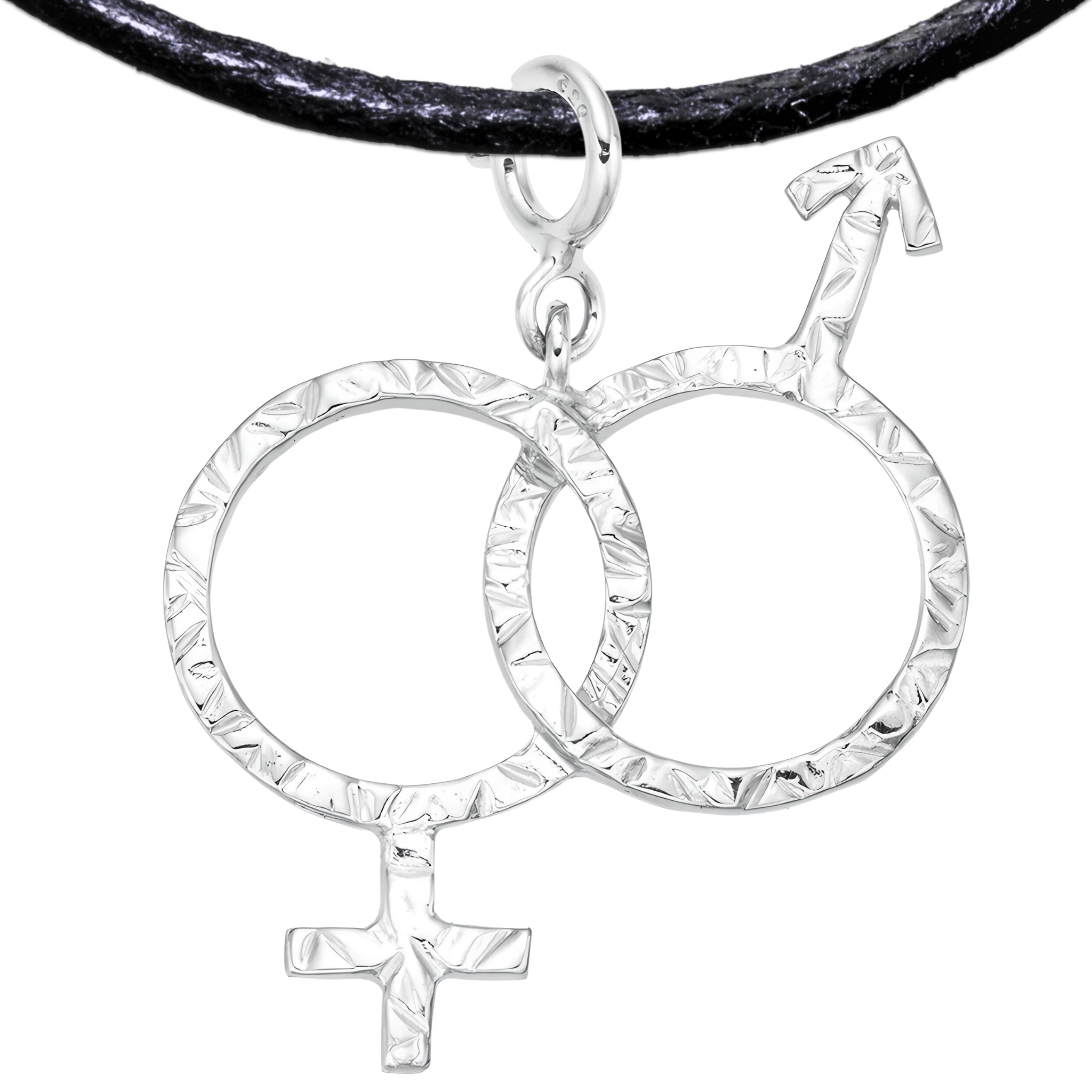
PRONOUNS
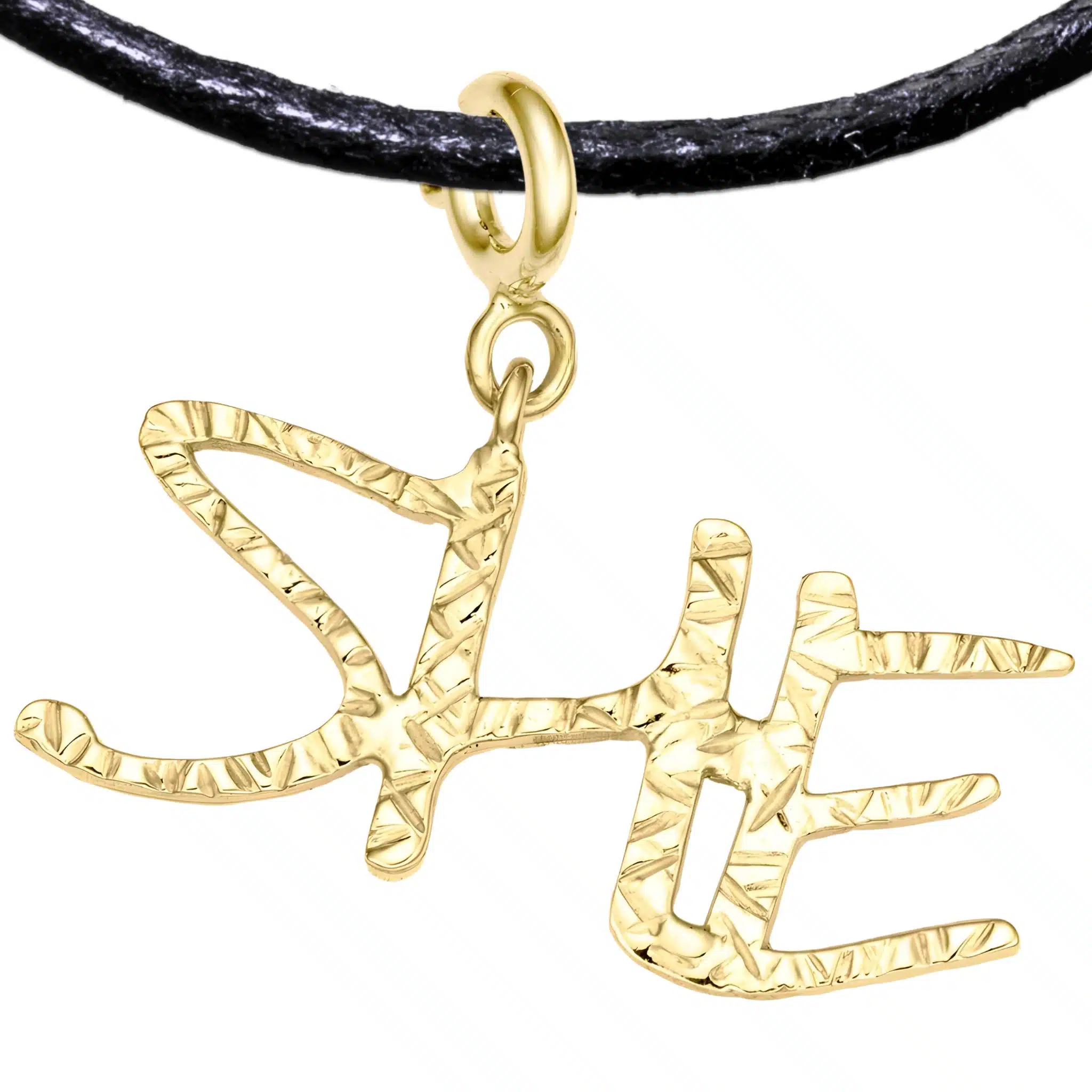
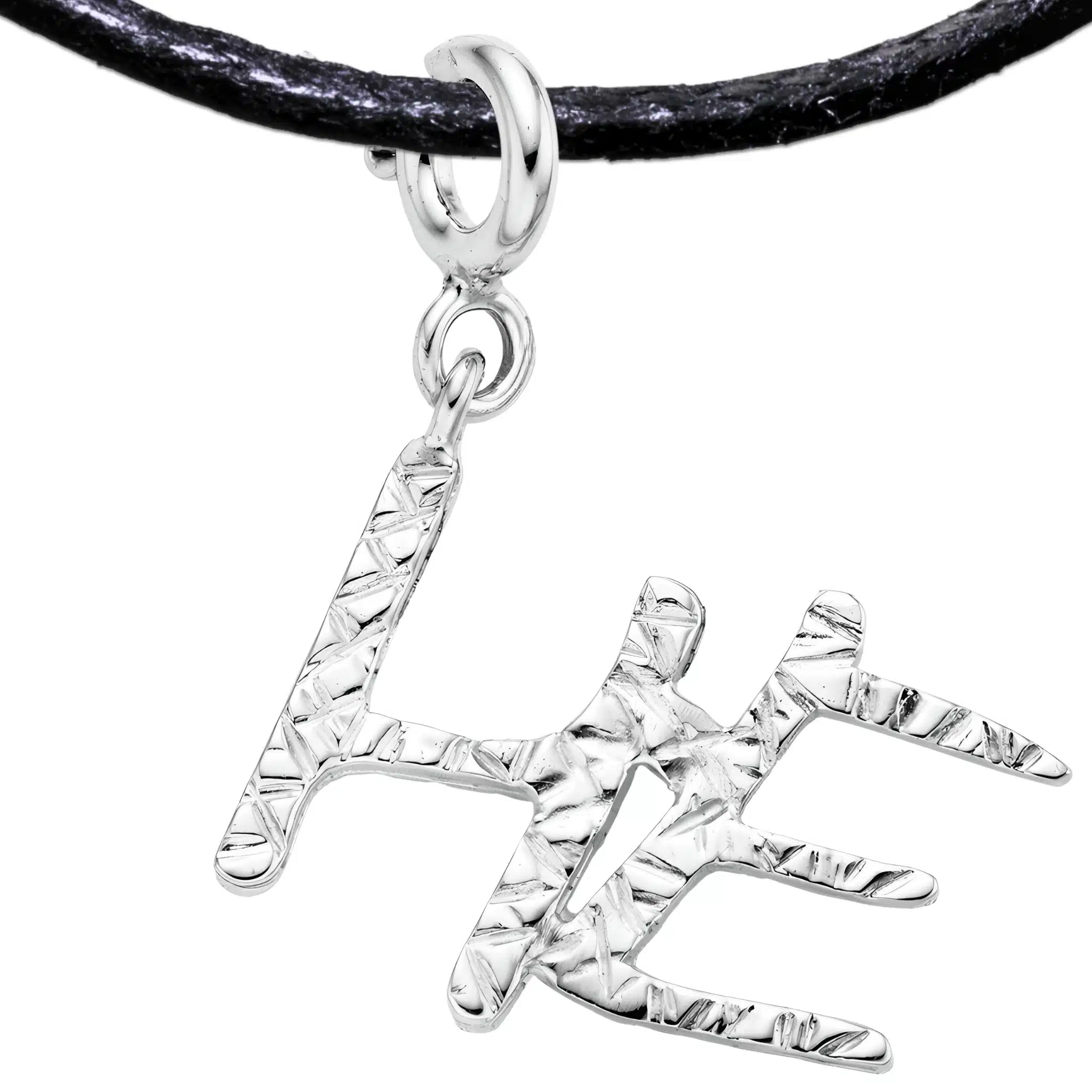
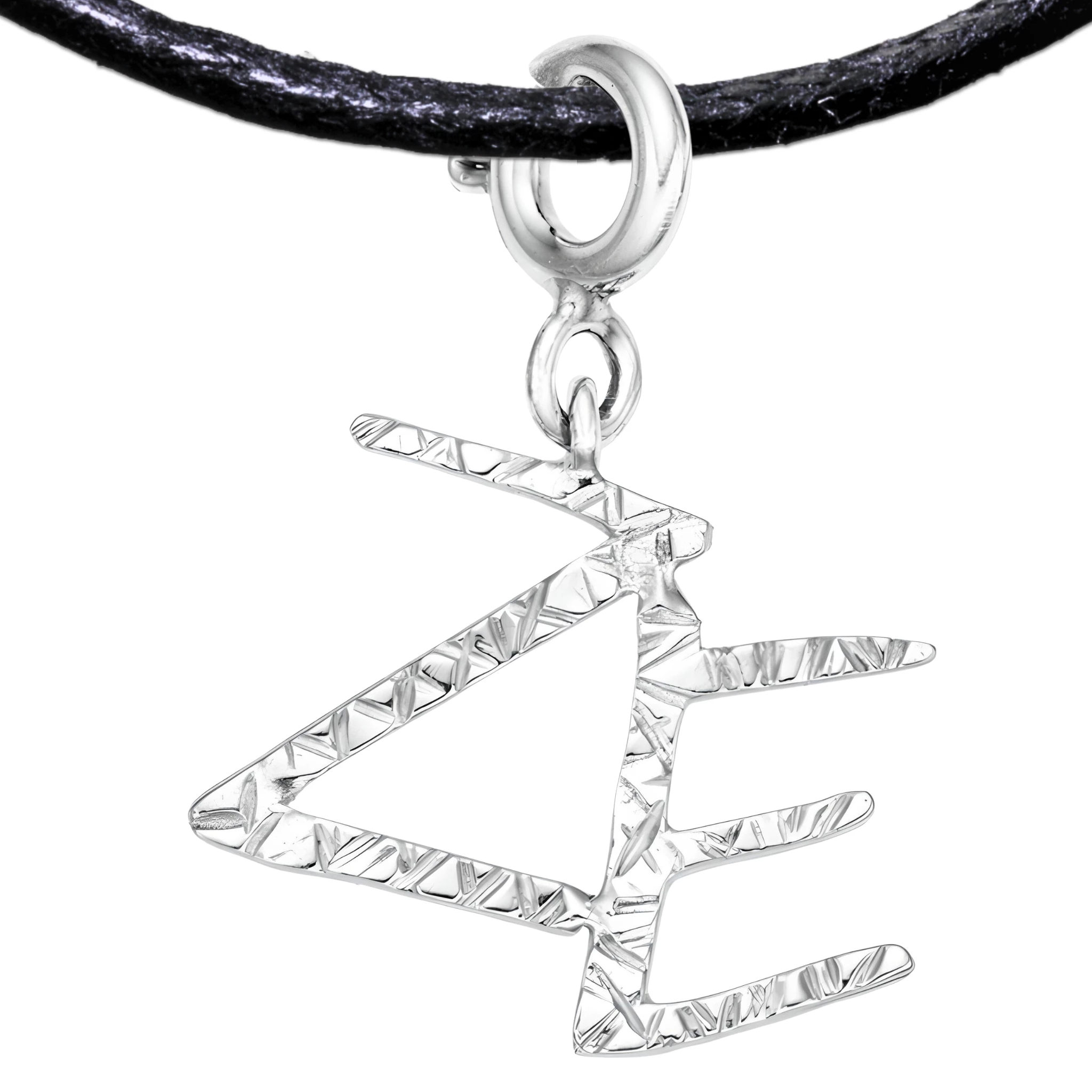
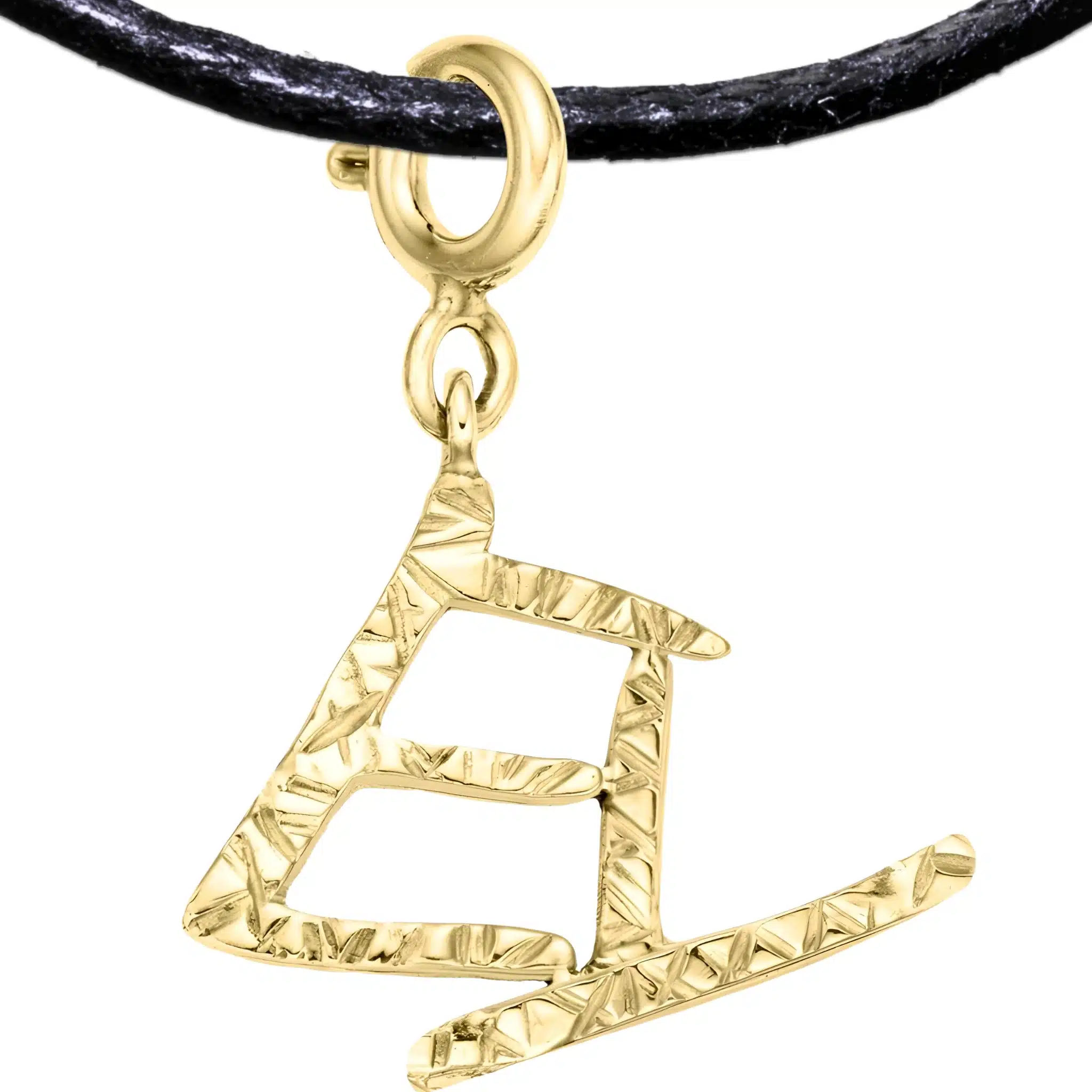
LGBTQ+ pronouns are an essential part of respecting and affirming people’s gender identities. Common pronouns include “she” and “he”, which are traditionally used to refer to someone who identifies as female or male, respectively. However, some individuals prefer gender-neutral pronouns such as “they”, which can refer to a person of any gender or someone who identifies outside the male/female binary. “It”, though traditionally used for inanimate objects, may be chosen by some non-binary or gender-expansive individuals to express a more fluid or non-binary experience of gender. While “it” can be controversial in certain contexts, for those who use it as a pronoun, it is a valid choice and should be respected. For those seeking more inclusive alternatives, “ze” (or “zie”) and “ey” (pronounced like “they”) are gender-neutral pronouns designed to replace “he” and “she”. These alternatives are used by individuals who do not feel comfortable with traditional gendered pronouns and prefer a more inclusive option.