For many in the LGBTQ+ community, religion can be an oppressive force rather than a source of comfort or support. While some faith groups claim to promote love and acceptance, the reality for LGBTQ+ individuals is often a painful and isolating experience. For far too long, religion has been used to justify discrimination, hatred, and even violence against queer and transgender people.
When LGBTQ+ individuals try to reconcile their identity with their religious beliefs, they often face a heartbreaking contradiction. While their faith might teach that love is unconditional, the message that many LGBTQ+ people receive from religious institutions is far from accepting. Religious texts, twisted and misinterpreted over the centuries, are often weaponized to condemn people for simply being who they are.
The Damage Done by Religious Doctrine
Most major religions have some form of doctrine that condemns LGBTQ+ identities, with the Bible, the Quran, and other sacred texts cited as reasons to exclude, punish, or “cure” queer people. Homosexuality is described as a sin, and gender nonconformity is portrayed as unnatural. These interpretations have caused untold suffering for LGBTQ+ individuals who are taught that their identity is wrong or immoral from a young age.
Religious organizations, from conservative Christian churches to Islamic mosques, have been at the forefront of campaigns against LGBTQ+ rights. They’ve fought to prevent same-sex marriage, block anti-discrimination laws, and even deny LGBTQ+ people access to basic healthcare. These actions perpetuate a culture of fear and shame that continues to harm LGBTQ+ people, making them feel like they are inherently flawed or less than human.
The Exclusionary Nature of Faith
What’s most disturbing is the exclusionary attitude that religion fosters toward LGBTQ+ individuals. While religion often claims to preach love, acceptance, and forgiveness, it’s clear that many religious institutions have failed to practice what they preach when it comes to LGBTQ+ issues. For many, religion becomes a barrier to self-acceptance. LGBTQ+ people are forced to choose between their faith and their identity, and the vast majority of the time, it’s their identity that loses out.
Even within so-called “inclusive” congregations, the acceptance can often be conditional. You’re allowed to be gay or trans, but only if you change your lifestyle or agree to adhere to certain rigid ideals of what it means to be “acceptable” in the eyes of God. This idea that LGBTQ+ people need to “reform” or change to fit a mold that was never meant for them is not only harmful but fundamentally disrespectful of their humanity.
Religion’s Historical Role in Perpetuating Oppression
Religious institutions have been responsible for some of the most horrific acts of oppression in history. From the Inquisition to modern-day “conversion therapy,” religion has repeatedly been used as a tool to control, punish, and erase LGBTQ+ identities. Conversion therapy, which is still practiced in many places despite being widely discredited, continues to harm countless LGBTQ+ individuals, forcing them to undergo cruel and degrading “treatments” in an attempt to change their sexual orientation or gender identity.
The damage done by religion is not limited to personal guilt and shame—it has real-world consequences. LGBTQ+ people have been ostracized, disowned by their families, and even driven to suicide because of religious condemnation. The message of hatred, judgment, and intolerance that many religious groups preach has undoubtedly contributed to the staggering rates of mental health struggles in the LGBTQ+ community.
No Place for LGBTQ+ People in Many Faiths
For many LGBTQ+ individuals, the idea of reconciling their faith with their identity is a futile and painful exercise. The truth is that many faith traditions simply have no room for queer and transgender people. If they are welcome at all, it’s only after they’ve changed themselves to meet a narrow, rigid set of expectations. The message is clear: conform or be excluded.
Some will argue that religion can be inclusive and accepting of LGBTQ+ people. But the reality is that the damage has been done, and for many, religion is a source of harm, not healing. It’s time to acknowledge that LGBTQ+ people don’t need to conform to religious standards in order to deserve love, respect, and acceptance.
Breaking Free from Religious Control
LGBTQ+ people deserve the freedom to embrace their identity without fear of condemnation. They should not have to hide or change who they are to satisfy an outdated, harmful doctrine. Religion, as an institution, has failed to be a place of true refuge for too many queer and trans individuals, and it’s time for people to start challenging the notion that religion holds the monopoly on love and morality.
For LGBTQ+ people, the journey to self-acceptance often involves breaking free from the chains of religious dogma that seek to control their identity. The truth is that your worth is not defined by ancient texts or harmful doctrines—it’s defined by your own humanity, your capacity to love, and your right to exist as your authentic self.
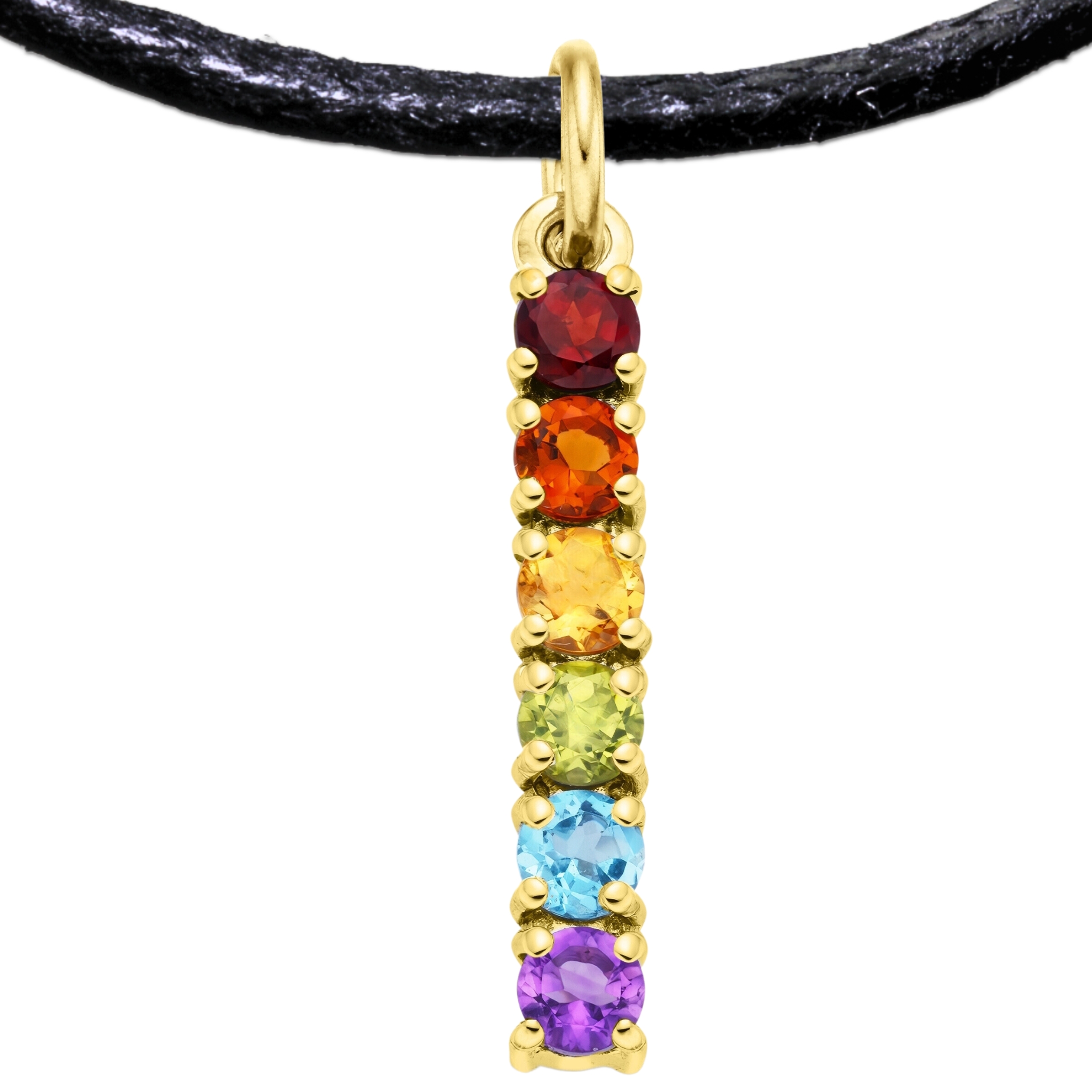
LGBTQ+ Flag
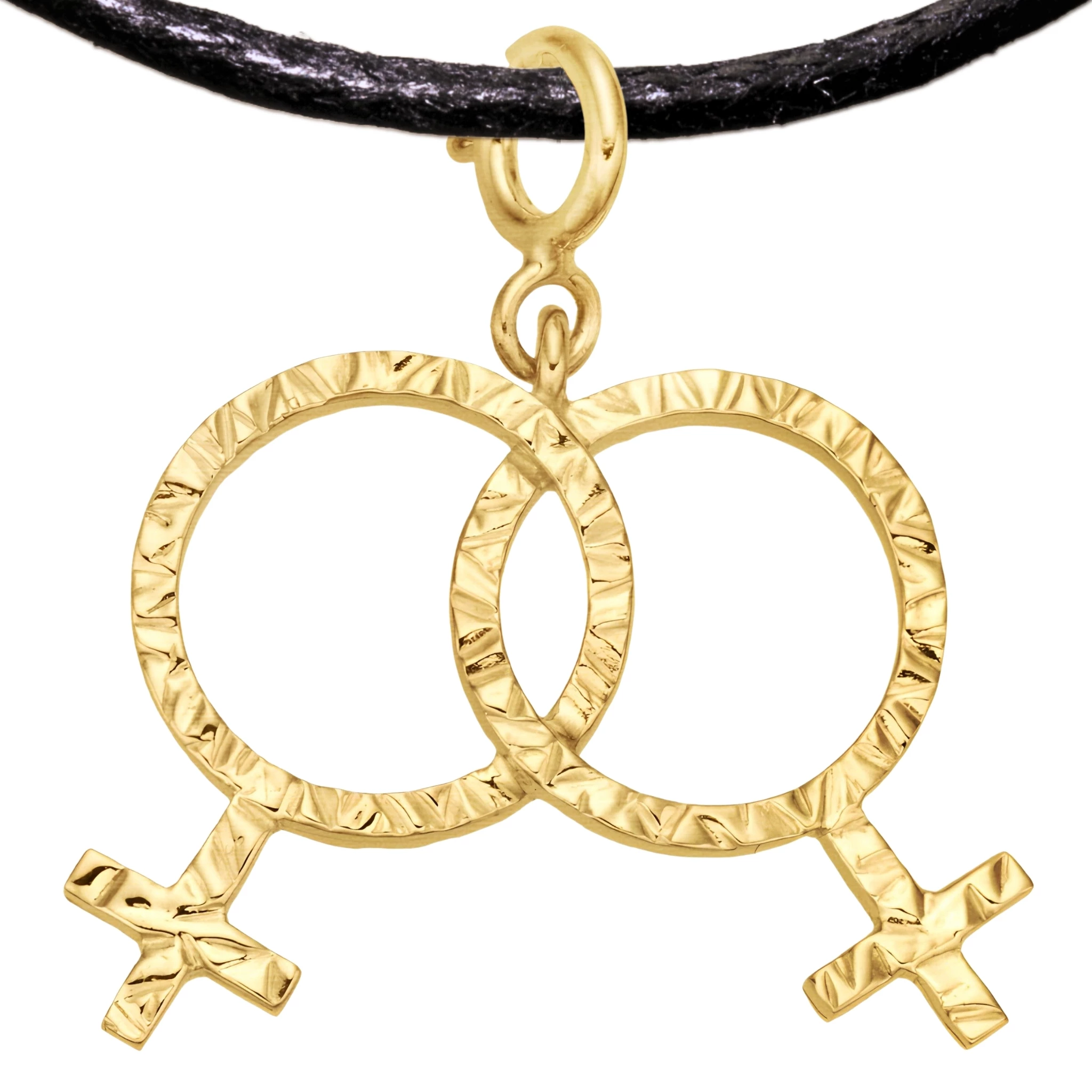
Lesbian Charm
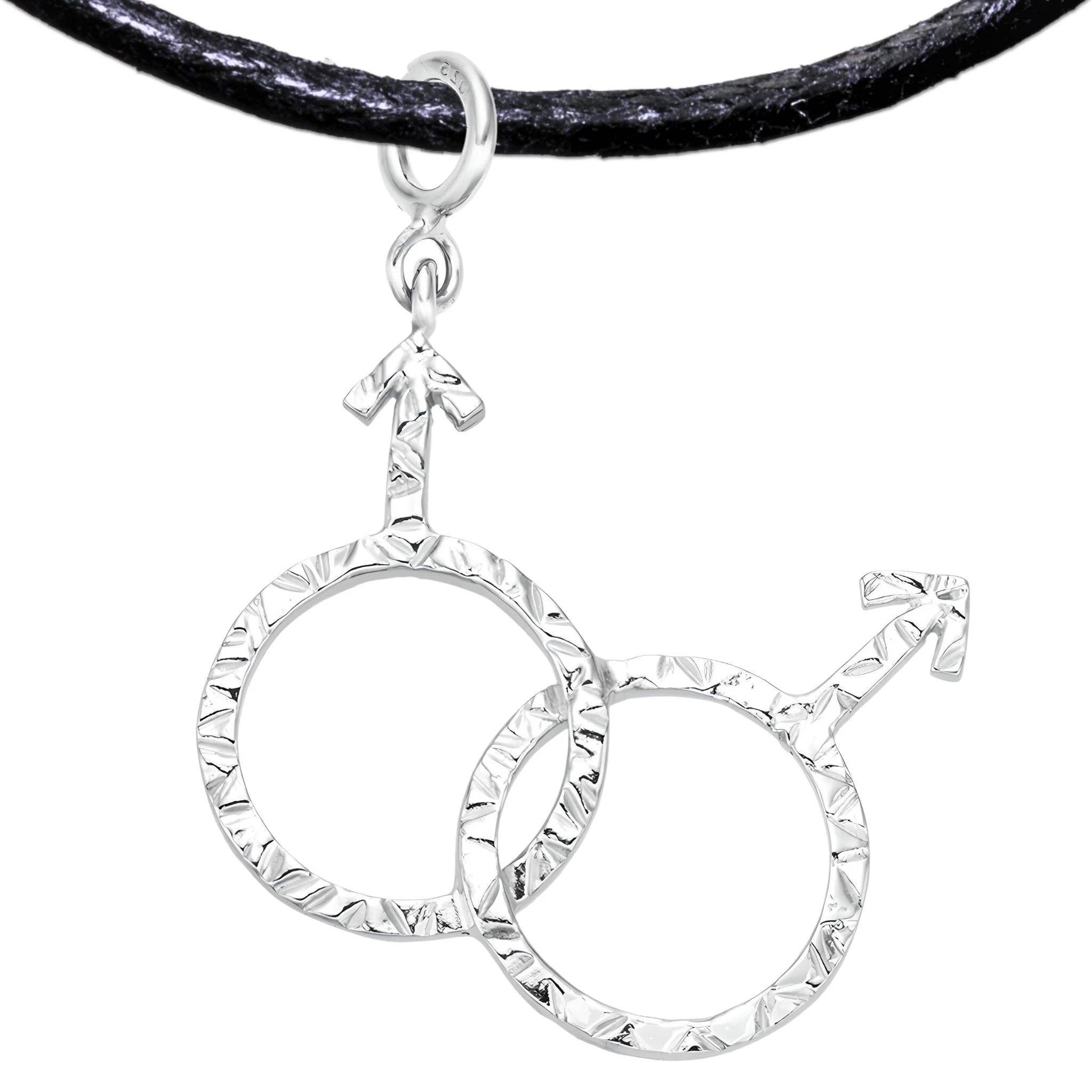
Gay Charm
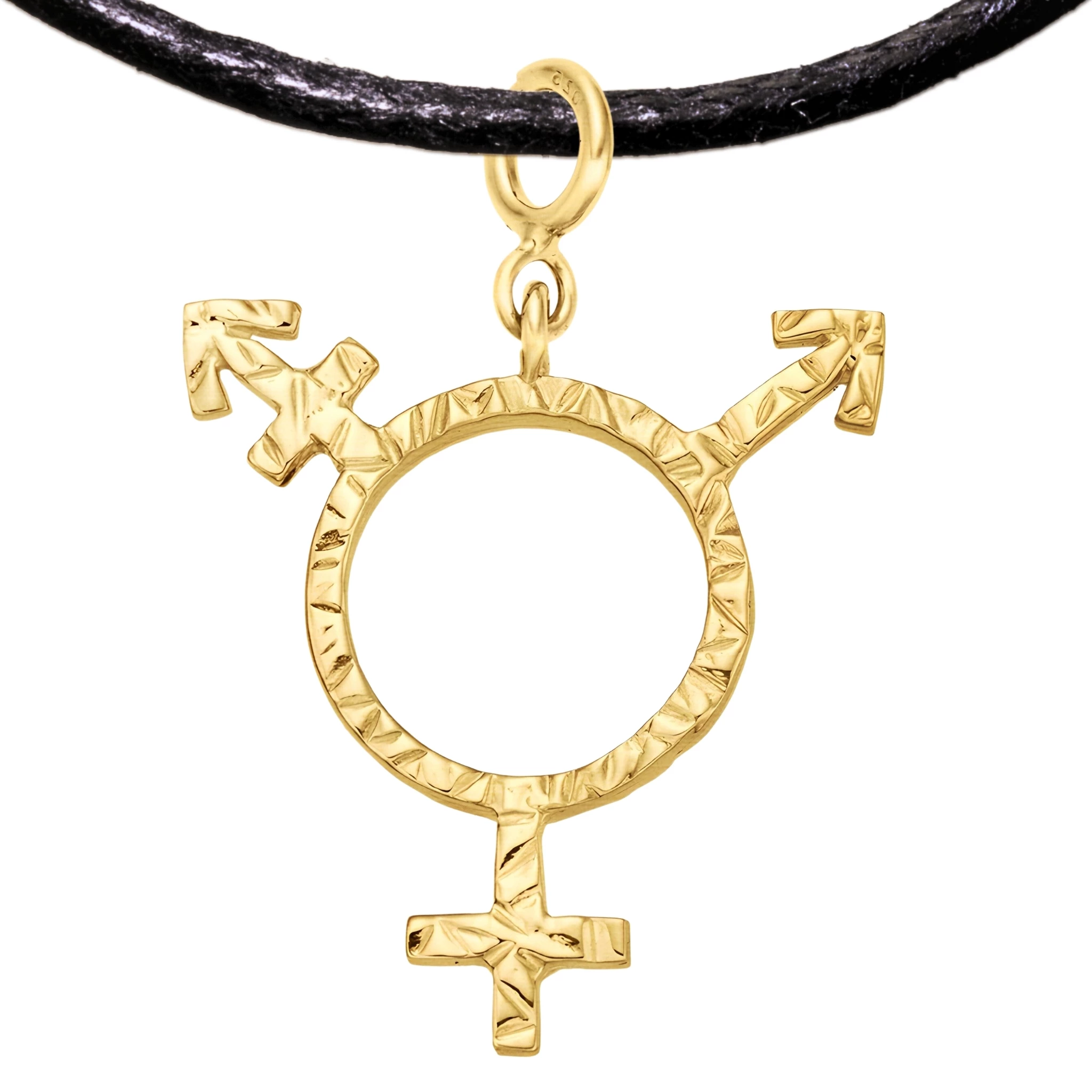
Trans Charm
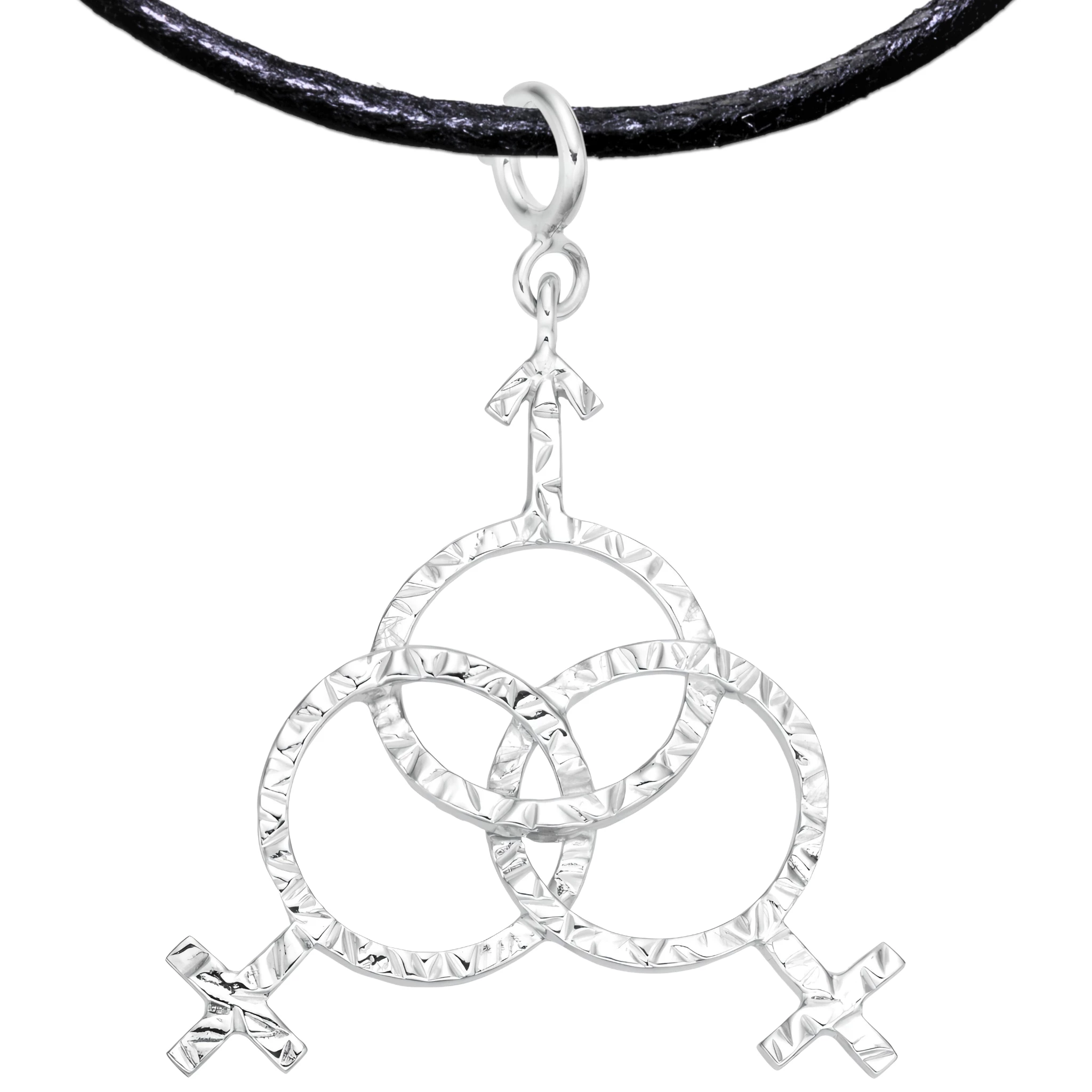
Bisexual Charm